
Allergic Asthma Explained
Allergic asthma is a common type of asthma in which allergens such as pollen, dust mites, pet dander, or mold trigger airway inflammation and narrowing, leading to coughing, wheezing, chest tightness, and shortness of breath. It happens because the nose and lungs are part of one connected airway system, so an allergic reaction in one area can affect breathing in the other. Most people manage it by identifying triggers, reducing exposure, and working with a healthcare provider on an ongoing treatment plan. Severe breathing difficulty during a flare-up is a medical emergency.
Quick answer
Allergic asthma is a common type of asthma in which allergens such as pollen, dust mites, pet dander, or mold trigger airway inflammation and narrowing, leading to coughing, wheezing, chest tightness, and shortness of breath. It happens because the nose and lungs are part of one connected airway system, so an allergic reaction in one area can affect breathing in the other. Most people manage it by identifying triggers, reducing exposure, and working with a healthcare provider on an ongoing treatment plan. Severe breathing difficulty during a flare-up is a medical emergency.
What you need to know
- Allergic asthma is asthma triggered or worsened by an allergic reaction to substances like pollen, dust mites, pet dander, mold, or cockroach droppings.
- Allergies and asthma are linked through the 'one airway' concept: the nose and lungs share similar tissue and immune responses.
- Early signs include nighttime cough, mild wheeze, chest tightness, and shortness of breath with activity.
- Severe signs such as trouble speaking in full sentences, blue or gray lips, or no relief from a rescue inhaler require calling 911.
- Diagnosis generally involves a medical history, a physical exam, breathing (lung function) tests, and sometimes allergy testing.
- Treatment is usually a mix of trigger reduction, quick-relief and long-term control medication categories, and sometimes allergen immunotherapy.
Emergency Warning Signs: Call 911
Call 911 right away if you or someone with allergic asthma has: trouble walking, talking, or speaking full sentences because of breathing difficulty; blue or gray lips or fingernails; severe wheezing or a chest so tight no air movement can be heard; visible pulling in of the skin around the ribs or neck with each breath (retractions); confusion, extreme drowsiness, or fainting; or no improvement after using a quick-relief inhaler as directed. Do not wait to see if symptoms pass. If unsure, treat it as an emergency and call 911.
What Is Allergic Asthma?
Asthma is a chronic lung condition in which the airways become inflamed and narrowed, making it harder to move air in and out of the lungs. Allergic asthma is the most common form of asthma, and it occurs when exposure to an allergen, a substance the immune system mistakenly treats as a threat, sets off that airway inflammation and narrowing.
Not everyone who has allergies has asthma, and not everyone with asthma has allergies. But when the two occur together, allergen exposure can bring on classic asthma symptoms: coughing (often worse at night, during exercise, or after laughing), wheezing, chest tightness, and shortness of breath, sometimes alongside a stuffy or runny nose and itchy, watery eyes.
This page explains what allergic asthma is, how it connects to allergies, common triggers, and warning signs. For day-to-day management strategies, see our allergic asthma management guide.
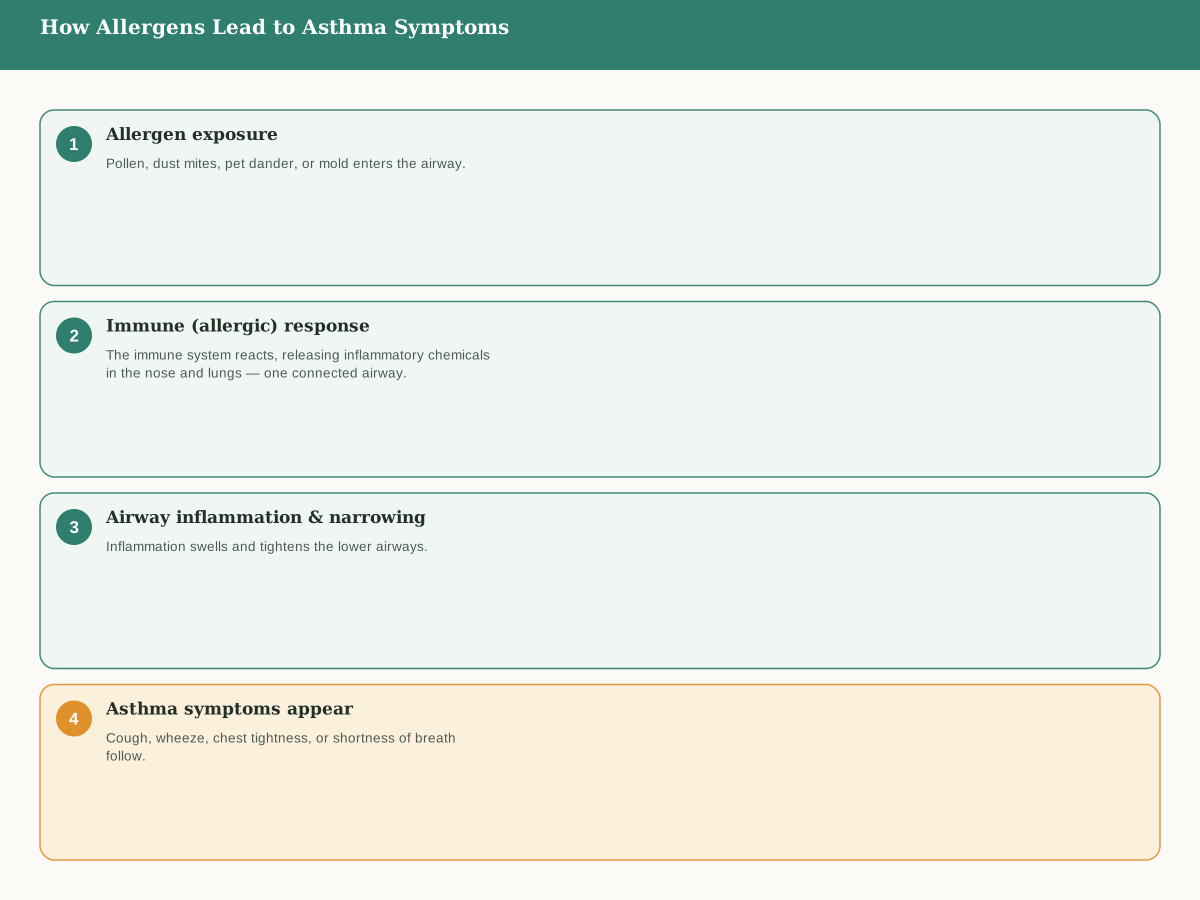
The Allergy-Asthma Connection: Why Doctors Talk About 'One Airway'
Allergies and asthma are closely linked because the nose, sinuses, and lungs form one continuous, connected airway. Health organizations describe this as the 'one airway' idea: allergic inflammation is not limited to a single spot but can affect the whole respiratory tract, from the nasal passages down into the airways of the lungs.
This is part of why people with allergic rhinitis (nasal allergies) so often also have asthma symptoms, and why an allergist, a doctor who specializes in allergic and immune conditions, is often involved in evaluating asthma linked to allergies. In practice, reducing allergen exposure that affects your nose and sinuses may also help calm symptoms in your lungs, since both are part of the same underlying allergic response.
Common Triggers of Allergic Asthma
Allergic asthma is set off by allergens, but flare-ups are often made worse by non-allergic irritants at the same time. Knowing your personal trigger list is one of the most useful steps in managing the condition, and an allergist can help identify it through testing and history.
- Pollen from trees, grasses, and weeds (including ragweed), which varies by season
- Dust mites, common in bedding, upholstery, and carpet
- Pet dander, saliva, and urine proteins from cats, dogs, and other animals
- Mold spores, especially in damp areas like basements or after rain
- Cockroach droppings and other pest allergens
- Non-allergic co-triggers: tobacco or wildfire smoke, air pollution, strong odors, viral infections, cold air, exercise, weather changes, and stress
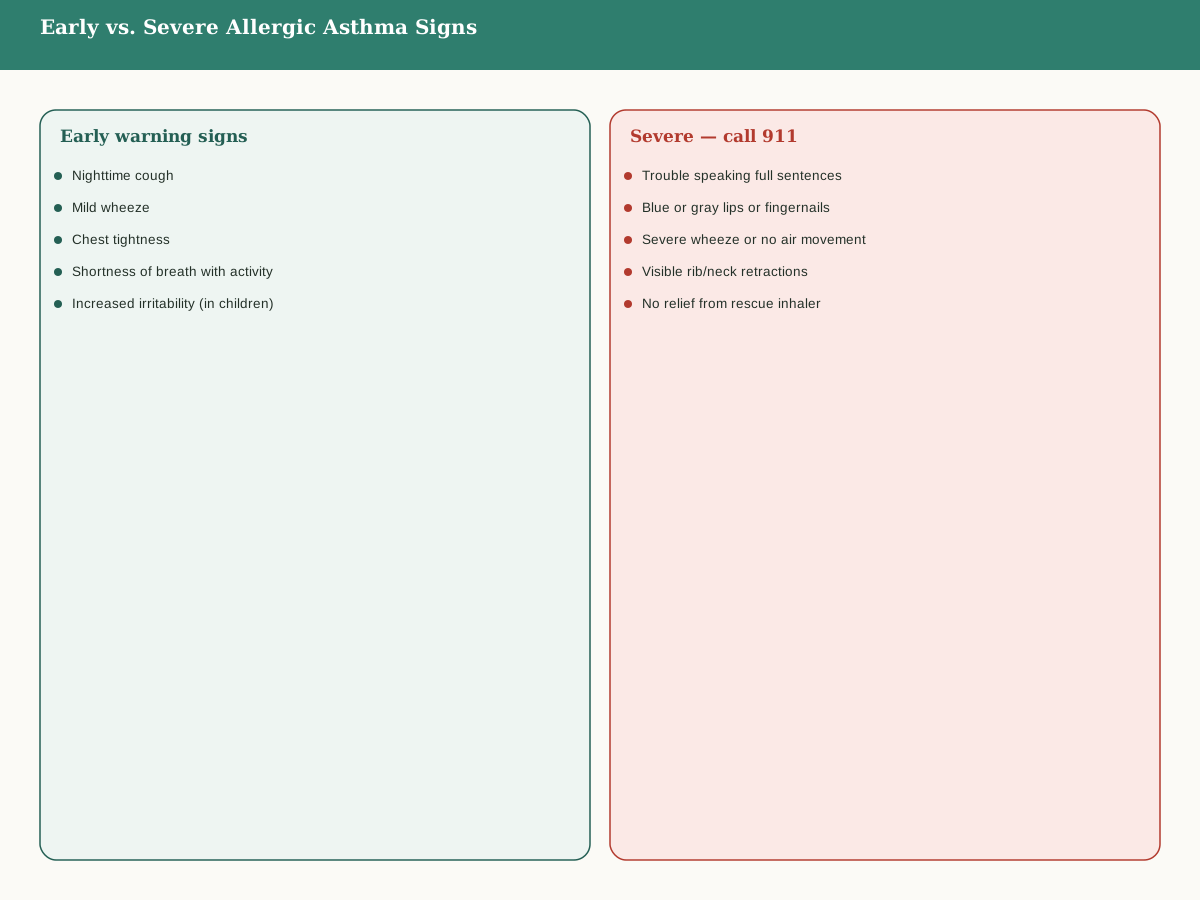
Early Warning Signs vs. Severe Warning Signs
Recognizing early signs of a flare-up gives you a chance to respond before breathing problems become serious. Early signs can include a cough that lingers or worsens at night, a mild wheeze, a feeling of tightness or pressure in the chest, shortness of breath during normal activity, and mood changes such as increased irritability, which can be an early clue in children.
These early signs differ from the severe, emergency-level symptoms in the red box above. If early symptoms aren't improving, or a quick-relief inhaler is needed more than usual, check in with a provider rather than wait. If symptoms escalate quickly or match the emergency warning signs, call 911 without delay.
How Allergic Asthma Is Typically Diagnosed
Diagnosing asthma generally starts with a medical history and physical exam, where a provider asks about symptoms, their pattern and timing, family history, and possible triggers. From there, lung (pulmonary) function tests are commonly used to see how well air moves through the airways; spirometry, which measures how much air you can breathe out and how quickly, is the most common of these tests.
Because allergic asthma is linked to allergies, allergy skin or blood testing may also be used to help identify which specific allergens are contributing. Other tools a provider may use include peak flow measurement and tests that look at airway inflammation. Testing and diagnosis should always be done by a qualified healthcare provider; this page is educational and is not a substitute for that evaluation. See our allergy testing guide for more on what that process generally involves.
Treatment Approach: General Categories
Allergic asthma is generally managed with a combination of approaches rather than a single fix, and a healthcare provider tailors the specific plan to the individual. This page describes general categories only, not dosing, which should always come from your prescribing provider.
Common categories include reducing exposure to identified triggers, quick-relief (rescue) medication used to ease sudden symptoms, long-term control medication taken regularly to reduce ongoing airway inflammation, and, for some people, allergen immunotherapy (allergy shots or under-the-tongue tablets) aimed at reducing sensitivity to specific allergens over time. Many providers also recommend a written asthma action plan. See our allergic asthma management page for more on day-to-day strategies.
Trigger-Reduction Checklist for Home and Daily Life
Reducing everyday exposure to known or suspected allergens is one of the most practical, low-risk steps someone with allergic asthma can take alongside any care plan from a provider. The checklist below is a starting point, not a complete treatment plan.
- Wash bedding weekly in hot water and use allergen-proof mattress and pillow covers
- Vacuum with a HEPA-filter vacuum and consider a HEPA air purifier in bedrooms
- Check local pollen counts and air quality index reports; limit outdoor time on high-count days
- Keep windows closed and use air conditioning during high pollen seasons
- Address damp areas promptly and control indoor humidity to limit mold growth
- Keep pets out of the bedroom if pet dander is a trigger, and groom pets regularly
- Avoid tobacco smoke and strong chemical odors or cleaning fumes indoors
- See our indoor allergies guide for more detailed strategies
When to seek care
Routine
Schedule a routine visit with a primary care provider or allergist to discuss ongoing symptoms, review or update an asthma action plan, and talk through trigger identification, including allergy testing if needed.
Prompt (within days)
Contact a provider within a few days if coughing, wheezing, or chest tightness are more frequent, nighttime symptoms are increasing, or you're using a quick-relief inhaler more than a couple of times a week.
Urgent (same day)
Seek same-day or urgent care if breathing symptoms are worsening and not clearly improving with your usual quick-relief medication, even without severe distress.
Emergency (call 911)
Call 911 immediately for any of the emergency warning signs listed above. See our allergy emergency guide for broader guidance, and our anaphylaxis page if a reaction involves swelling, hives, or other whole-body symptoms alongside breathing trouble.
Practical next steps
Safe general steps
- Keep a simple symptom and trigger diary to spot patterns over time
- Reduce exposure to known allergens at home using the trigger-reduction checklist above
- Keep any prescribed quick-relief inhaler accessible at all times
- Ask your provider about a written asthma action plan for each symptom level
Actions that need medical guidance
- Starting, changing, or stopping any asthma medication or controller therapy
- Getting allergy skin or blood testing to identify specific triggers
- Considering allergen immunotherapy (allergy shots or sublingual tablets)
- Evaluating whether frequent symptoms mean your treatment plan needs adjustment
Don't attempt without professional advice
- Do not adjust, stop, or double up on prescribed asthma medications without provider guidance
- Do not wait out severe breathing difficulty or assume it will pass
- Do not rely on home remedies alone in place of prescribed rescue medication during a flare-up
- Do not ignore a rescue inhaler that isn't helping; treat that as a sign to seek urgent or emergency care
Frequently asked questions
What is the difference between asthma and allergic asthma?
Can allergic asthma start suddenly, even in adults?
Is a severe allergic asthma attack the same as anaphylaxis?
Can children have allergic asthma?
Do air purifiers or allergen-proof bedding actually help with allergic asthma?
How can I find out exactly what's triggering my asthma?
Sources
- CDC — About Asthma
- MedlinePlus (NIH/NLM) — Asthma
- MedlinePlus (NIH/NLM) — Signs of an Asthma Attack
- American College of Allergy, Asthma & Immunology (ACAAI) — Allergic Asthma
- NIAID (NIH) — Asthma
Medical disclaimer: This guide is for general education and isn't a substitute for personalized medical advice. It doesn't provide dosing. Always talk to a qualified healthcare professional about your symptoms and treatment.
Continue building your allergy plan
Explore related guides to understand the full picture, from triggers to treatment to safety.
Go to the treatment & relief guide