
Allergy Emergencies: When to Call 911 or See a Doctor
An allergy emergency is happening when a reaction affects breathing, causes swelling of the tongue, lips, or throat, or brings on dizziness, fainting, or symptoms in more than one part of the body at once. These are signs of anaphylaxis, a rapid, potentially life-threatening reaction that needs epinephrine and a call to 911 right away. Mild, localized symptoms like a runny nose or a few isolated hives are usually not emergencies, but if you're unsure whether a reaction is worsening, treat it as one. Do not wait to see if symptoms improve on their own before calling for help.
Quick answer
An allergy emergency is happening when a reaction affects breathing, causes swelling of the tongue, lips, or throat, or brings on dizziness, fainting, or symptoms in more than one part of the body at once. These are signs of anaphylaxis, a rapid, potentially life-threatening reaction that needs epinephrine and a call to 911 right away. Mild, localized symptoms like a runny nose or a few isolated hives are usually not emergencies, but if you're unsure whether a reaction is worsening, treat it as one. Do not wait to see if symptoms improve on their own before calling for help.
What you need to know
- Anaphylaxis can involve the skin, airway, gut, and circulation all at once, and it can escalate within minutes.
- Trouble breathing, throat or tongue swelling, and dizziness or fainting during a reaction are red flags for calling 911 immediately.
- If an epinephrine auto-injector is available, current guidance is to use it right away, then call 911 rather than waiting to see if symptoms improve.
- Between 10 and 20 percent of severe, life-threatening allergic reactions have no skin symptoms at all, so a normal-looking skin does not rule out an emergency.
- After epinephrine, most people still need emergency medical evaluation, since symptoms can return hours later.
- Recent allergy specialist guidance allows monitoring at home after epinephrine only if strict conditions are met; otherwise 911 is still the right call.
Call 911 now if you see these signs
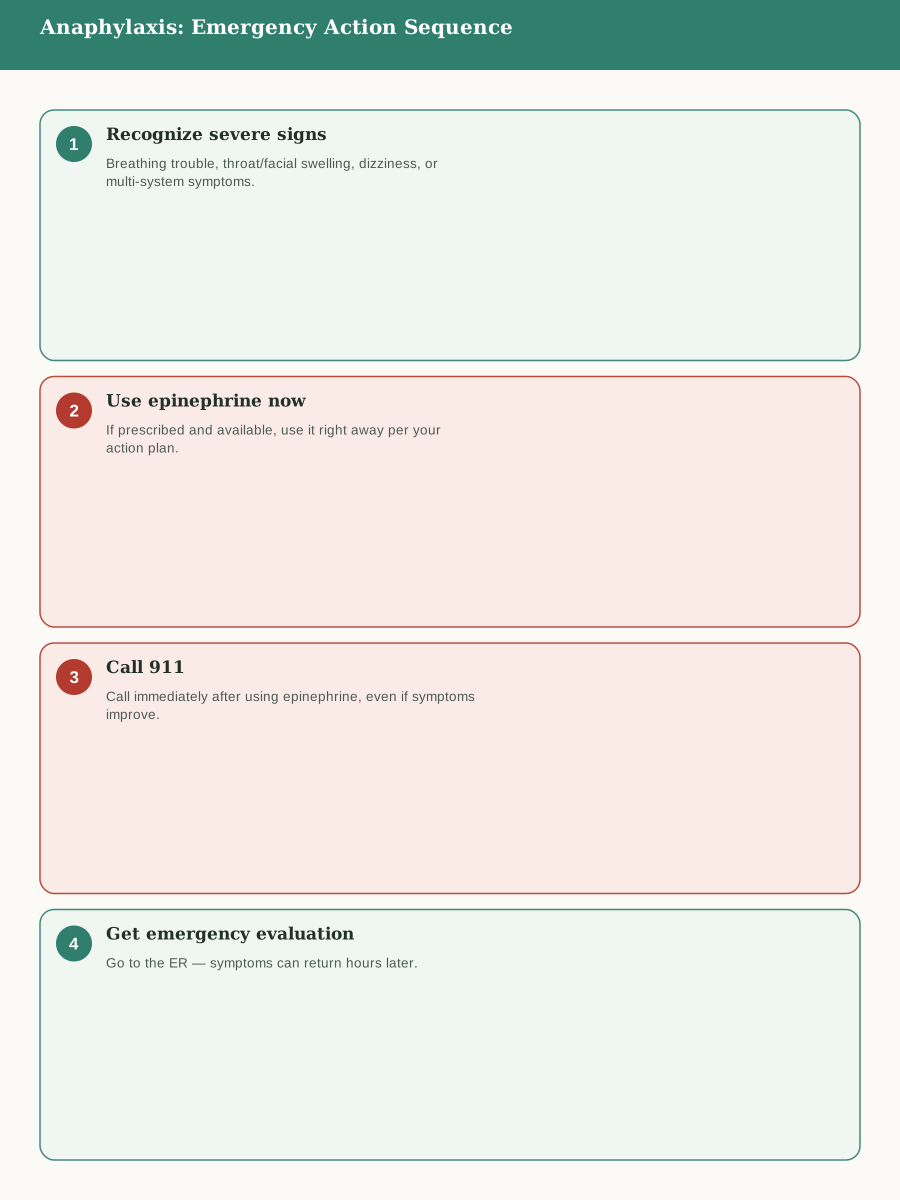
Call 911 immediately for any allergic reaction involving trouble breathing, wheezing, or a tight or closing throat; swelling of the tongue, lips, or face that is spreading; dizziness, fainting, or a rapid or weak pulse; or symptoms affecting two or more body areas at once, such as hives together with vomiting. If an epinephrine auto-injector is available, use it right away and call 911 next — do not wait to see whether symptoms get better first. Anaphylaxis can become life-threatening within minutes, and even after epinephrine works, emergency follow-up care is still needed.
What makes an allergic reaction a medical emergency
Most allergic reactions are mild and stay in one place: a runny nose, itchy eyes, or a small patch of hives after contact with an allergen. A reaction becomes a medical emergency when it turns into anaphylaxis, a rapid, whole-body allergic response that can involve the skin, airway, digestive system, and circulation at the same time. According to MedlinePlus, anaphylaxis can affect many organs, and symptoms can develop and worsen within minutes of exposure to a trigger.
What separates an emergency from a routine reaction usually isn't the severity of one single symptom, it's how many body systems are involved and how quickly things are changing. Itchy skin alone is different from itchy skin plus a change in breathing or a feeling of faintness. For a deeper look at how anaphylaxis develops and its stages, see our full anaphylaxis guide.
Red-flag symptoms of anaphylaxis
These signs, drawn from CDC, ACAAI, and MedlinePlus guidance, indicate a reaction may be turning into anaphylaxis and needs emergency care without delay:
- Difficulty breathing, wheezing, or a high-pitched, squeaky sound when breathing in (stridor)
- Swelling of the tongue, lips, throat, or face, especially if it is spreading
- A hoarse voice, tightness in the throat, or trouble swallowing
- Dizziness, fainting, or a rapid or unusually weak pulse
- Widespread hives, flushing, or itching that appears together with any of the above
- Repeated vomiting, diarrhea, or severe abdominal cramping during a known allergen exposure
- A sudden sense of anxiety or impending doom along with physical symptoms
Allergy emergency vs. routine allergy symptoms
Routine allergy symptoms, such as sneezing, nasal congestion, itchy or watery eyes, or a localized rash that isn't spreading, are uncomfortable but generally not dangerous. They tend to stay limited to one area, such as the nose, eyes, or skin, and don't affect breathing, swallowing, or blood pressure.
An allergy emergency is different in both scope and speed. It typically involves more than one body system, gets worse over minutes rather than staying steady, and includes at least one serious sign such as breathing difficulty, throat swelling, or fainting. If you're ever unsure which category a reaction falls into, especially in someone with a known food, insect sting, or medication allergy, treat it as a possible emergency rather than waiting to find out.
What to do while waiting for emergency help
If you suspect anaphylaxis, act immediately rather than waiting for symptoms to confirm themselves:
- Use an epinephrine auto-injector right away if one is available and has been prescribed, then call 911 or have someone else call while you administer it
- Have the person lie down with their legs elevated, unless breathing is difficult, in which case a sitting position may be more comfortable
- If vomiting occurs, turn the person onto their side to prevent choking
- Do not give the person anything to eat or drink
- Stay with them and monitor for worsening symptoms until emergency responders arrive
- Be prepared to give a second injection if symptoms don't improve and another dose is available
- Go to the emergency room even if symptoms seem to resolve after epinephrine, since reactions can return
Common triggers of severe allergic reactions
Anaphylaxis can be triggered by many substances, but a few categories account for most severe reactions:
- Foods, especially peanuts, tree nuts, shellfish, fish, milk, eggs, and sesame
- Insect stings from bees, wasps, hornets, yellow jackets, or fire ants
- Medications, including penicillin and other antibiotics, aspirin, and NSAIDs
- Latex, found in some medical gloves, tubing, and other products
Mistakes people make during an allergy emergency
Several avoidable delays put people at higher risk during a severe reaction. Waiting to see if symptoms improve before calling 911 or using epinephrine is one of the most common: anaphylaxis can worsen quickly, and delaying treatment gives it more time to progress. Another is hesitating to use epinephrine out of fear it isn't 'needed yet' or concern about side effects; allergy specialists note that epinephrine is safe to use even when the diagnosis is uncertain, and the bigger risk is usually giving it too late rather than too early.
Other common mistakes include treating a severe reaction with only an antihistamine and assuming that's sufficient, since antihistamines do not reverse anaphylaxis the way epinephrine does. People also sometimes stand up, walk around, or drive themselves to the emergency room during a reaction, which can worsen dizziness and low blood pressure caused by anaphylaxis. Finally, some people feel better after one epinephrine dose and skip the follow-up 911 call or ER visit entirely, even though symptoms can return later the same day.
Children and school emergencies
Severe allergic reactions in children can happen anywhere, including at school, in childcare, or at a friend's house, sometimes in kids who have never had a diagnosed allergy before. Every state now allows schools to keep undesignated epinephrine on hand for use in an allergy emergency, in addition to any auto-injector prescribed to an individual student.
If your child has a known allergy, work with their school or childcare provider to keep a written anaphylaxis action plan on file, make sure staff know how to recognize the red-flag symptoms above, and confirm who is trained to give epinephrine if needed. Our guide to allergies in children covers additional steps for managing allergy risk at school and at home.
When to seek care
Routine
Mild, localized symptoms such as occasional sneezing, a runny nose, itchy or watery eyes, or a few hives that aren't spreading can typically be managed with routine allergy care and a visit to your regular doctor or an allergist.
Prompt (within days)
Symptoms that are bothersome but stable, such as persistent hives, ongoing congestion, or mild localized swelling that isn't near the airway, often warrant a call to your doctor or a same-week appointment, especially if they're disrupting sleep or daily activities.
Urgent (same day)
Worsening hives, swelling that is spreading but not yet affecting breathing or swallowing, or a reaction that isn't responding to your usual allergy care may call for an urgent care visit the same day.
Emergency (call 911)
Any sign of breathing difficulty, throat or tongue swelling, dizziness, fainting, or symptoms across multiple body systems means call 911 immediately and use epinephrine if it's available. Don't wait, and don't drive yourself.
Practical next steps
Safe general steps
- Learn your personal early-warning symptoms and known allergy triggers
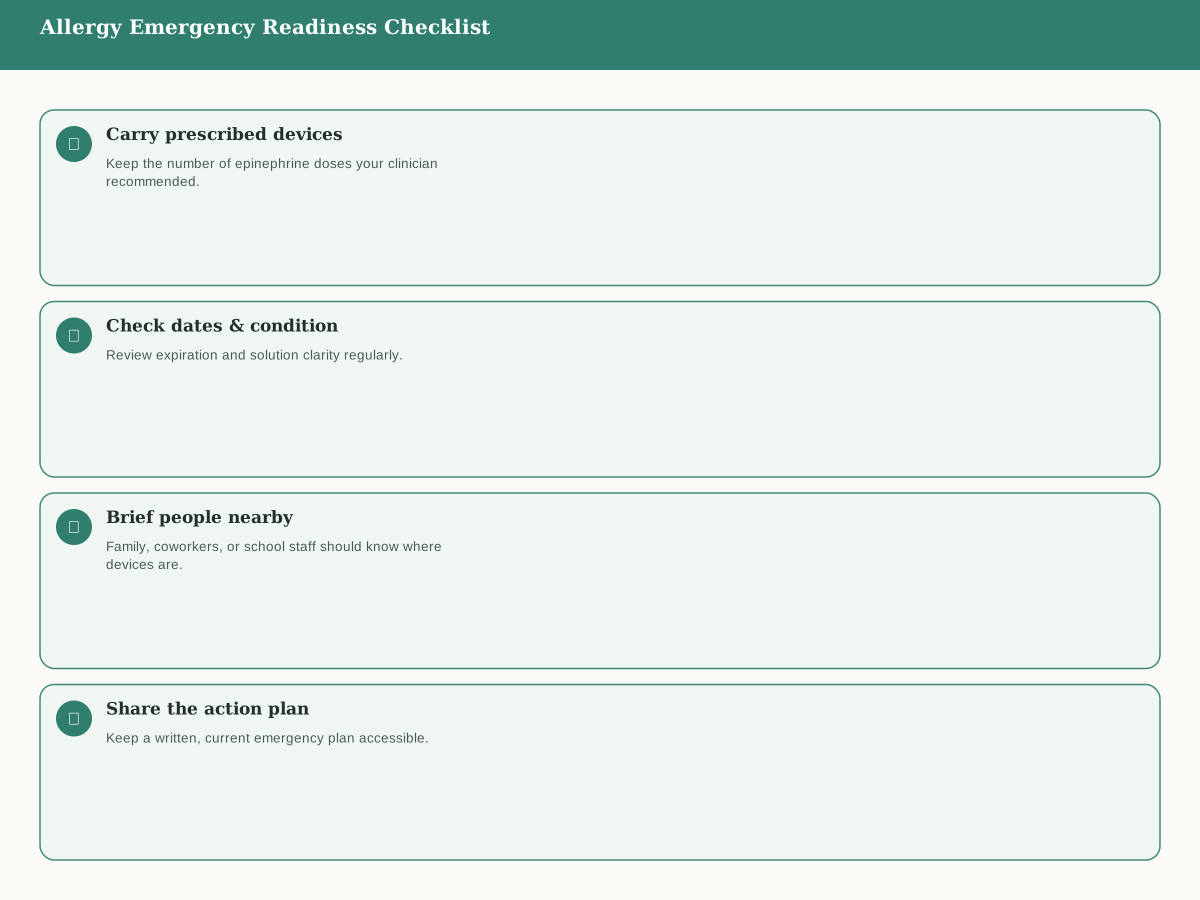
- Carry two epinephrine auto-injectors with you if they've been prescribed
- Make sure family members, coworkers, or your child's school can recognize a severe reaction and know how to use epinephrine
- Keep a written allergy action plan from your doctor on hand at home, work, or school
- Call 911 and use epinephrine at the first sign of a severe reaction rather than waiting to see if it worsens
Actions that need medical guidance
- Ask an allergist whether you should be prescribed epinephrine auto-injectors
- Discuss with your doctor whether your reaction history means you should carry two doses
- Get a written, personalized anaphylaxis action plan for home, school, or work
- Review your triggers and plan with your doctor if you've had a reaction recently or your symptoms have changed
Don't attempt without professional advice
- Don't wait to see if breathing, swallowing, or dizziness symptoms pass on their own
- Don't substitute an antihistamine for epinephrine during a severe reaction
- Don't drive yourself to the emergency room during a possible anaphylactic reaction
- Don't skip emergency follow-up care after using epinephrine, even if you feel better
Frequently asked questions
Should I still call 911 if I already used my epinephrine auto-injector?
Can an allergic reaction be an emergency without a rash or hives?
Is it okay to just take an antihistamine and wait to see what happens?
How fast can an allergic reaction become life-threatening?
What should I do after an emergency room visit for a severe allergic reaction?
Should young children with food allergies carry their own epinephrine at school?
Sources
- MedlinePlus (NIH/NLM) — Anaphylaxis
- ACAAI — Anaphylaxis: Causes, Symptoms & Treatment
- ACAAI — If I Use Epinephrine for an Allergic Reaction, Do I Have to Call 911?
- CDC — Recognizing and Responding to Anaphylaxis
- AAAAI — Anaphylaxis Emergency Action Plan
Medical disclaimer: This guide is for general education and isn't a substitute for personalized medical advice. It doesn't provide dosing. Always talk to a qualified healthcare professional about your symptoms and treatment.
Continue building your allergy plan
Explore related guides to understand the full picture, from triggers to treatment to safety.
Go to the treatment & relief guide