Allergies in Babies
Allergies in babies often show up as skin reactions like hives or eczema flares, digestive symptoms such as vomiting or diarrhea, or breathing changes like coughing and wheezing. Because babies cannot describe what they're feeling, caregivers need to watch for these physical and behavioral cues. National guidance also supports introducing allergenic foods like peanut earlier in infancy for many babies, ideally with pediatrician input if your baby has eczema or another food allergy. Any sign of a severe reaction — facial swelling, trouble breathing, persistent vomiting, or limpness — is a medical emergency requiring 911.
Quick answer
Allergies in babies often show up as skin reactions like hives or eczema flares, digestive symptoms such as vomiting or diarrhea, or breathing changes like coughing and wheezing. Because babies cannot describe what they're feeling, caregivers need to watch for these physical and behavioral cues. National guidance also supports introducing allergenic foods like peanut earlier in infancy for many babies, ideally with pediatrician input if your baby has eczema or another food allergy. Any sign of a severe reaction — facial swelling, trouble breathing, persistent vomiting, or limpness — is a medical emergency requiring 911.
What you need to know
- Babies show allergic reactions through skin (hives, eczema), digestive (vomiting, diarrhea), and breathing (coughing, wheezing) signs rather than describing symptoms themselves.
- Eczema in infancy is linked with a higher chance of food allergy later on, especially when the eczema is moderate to severe.
- National guidance from NIAID and allergy specialty groups supports introducing allergenic foods like peanut earlier in infancy for many babies — but the right timing and approach depends on your baby's individual risk factors, discussed with your pediatrician.
- Indoor allergens such as dust mites, pet dander, and secondhand smoke can also contribute to allergy-like symptoms in infants.
- Facial or lip swelling, trouble breathing, persistent vomiting, or lethargy in a baby are emergency signs — call 911.
- Keeping a simple symptom log of foods, exposures, and reaction timing gives your pediatrician useful information to work with.
Emergency Signs in a Baby: Call 911
Call 911 right away if your baby has facial, lip, or tongue swelling; sudden hives spreading over the body along with breathing trouble; wheezing, persistent coughing, or difficulty breathing; repeated or persistent vomiting after a reaction; or looks unusually limp, floppy, extremely drowsy, or hard to wake. These can be signs of anaphylaxis, a life-threatening allergic reaction that needs immediate emergency care. Do not wait to see if symptoms improve on their own.
How Allergy Symptoms Can Look in Babies
Babies can't tell you their throat itches or their stomach hurts, so allergic reactions usually show up as physical changes caregivers can observe: a new rash, sudden fussiness, a change in breathing, or an upset stomach. According to MedlinePlus and ACAAI, allergic symptoms most often appear within minutes to about two hours after contact with a trigger, though some reactions — especially digestive ones — can be delayed for hours. In a baby, a reaction can involve just one part of the body, like a rash around the mouth, or several systems at once.
This guide focuses on allergy symptoms and considerations for babies roughly 0–12 months old. For the toddler and preschool years, see our allergies in toddlers guide, or visit the allergies in children guide for an overview across childhood.
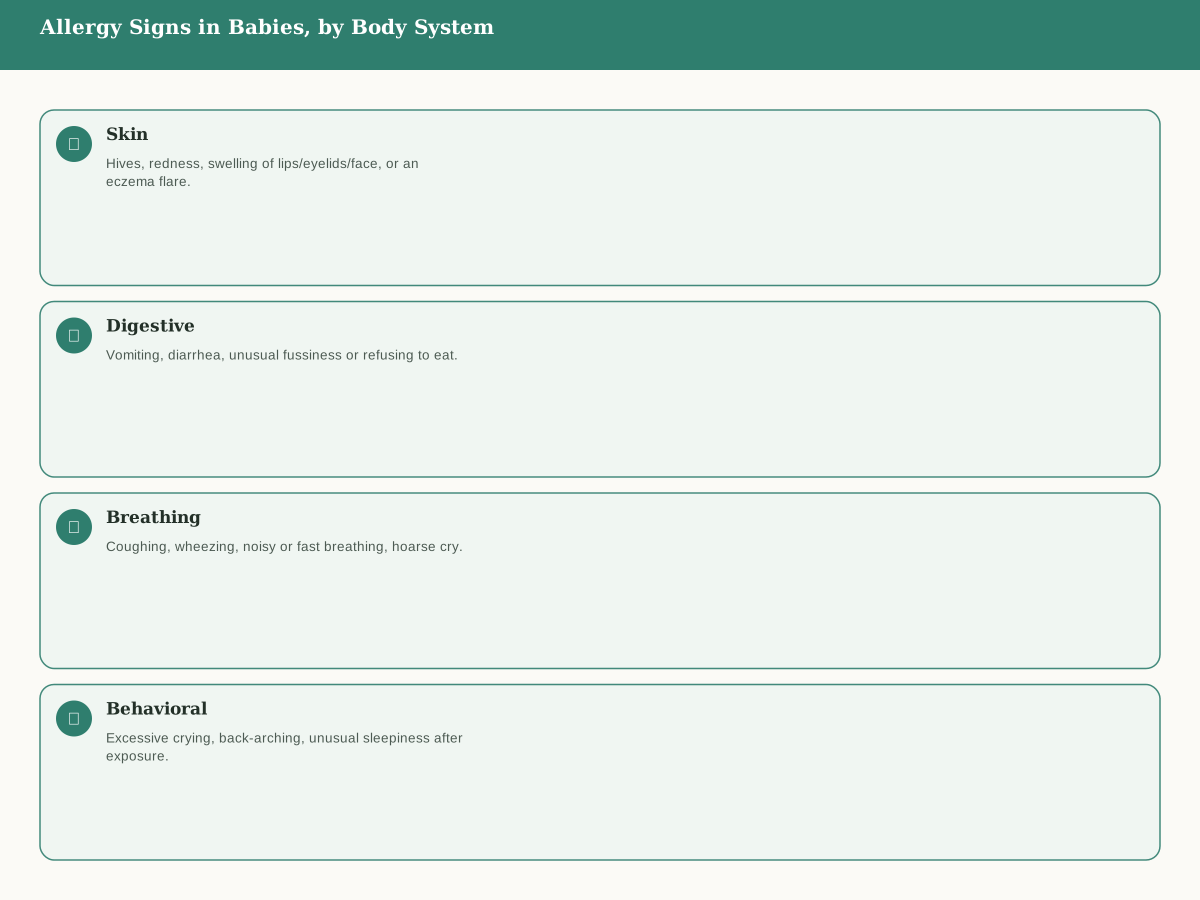
- Skin: hives, redness, swelling of the lips, eyelids, or face, or a flare-up of eczema
- Digestive: vomiting, diarrhea, unusual fussiness after feeding, or refusing to eat
- Breathing: coughing, wheezing, noisy or fast breathing, or a hoarse cry
- Behavioral: excessive crying, back-arching, or unusual sleepiness after a possible trigger
Skin Reactions and the Eczema Connection
Skin symptoms are often the first allergy-related signs caregivers notice in infancy. Hives look like raised, itchy welts that can appear anywhere on the body, while eczema (atopic dermatitis) shows up as dry, red, rough, or scaly patches, often on the cheeks, scalp, elbows, or knees. According to CDC survey data and AAAAI, eczema is one of the most common allergic conditions in young children, and it often appears before other allergic conditions such as food allergy, asthma, or hay fever — a pattern sometimes described as the 'atopic march.'
AAAAI work group findings note that a weakened skin barrier, as seen in eczema, may make it easier for allergens to trigger the immune system, which is part of why eczema and food allergy are so closely linked in infancy. This is also why national feeding guidance, covered below, treats eczema — especially when it's moderate to severe — as an important factor in deciding how and when to introduce allergenic foods.
Digestive Signs in Babies
A baby's digestive system can react to an allergen with vomiting, diarrhea, or stomach discomfort that shows up as pulling up the legs, arching the back, or unusual crying during or after feeding. MedlinePlus notes that gastrointestinal symptoms like stomach cramps, nausea, and vomiting are common features of food allergy at any age.
In infants specifically, ACAAI describes a less common but more serious condition called food protein-induced enterocolitis syndrome (FPIES), in which repetitive, severe vomiting develops two to six hours after eating a trigger food and can lead to dehydration. This pattern is different from typical spit-up and needs prompt medical attention. Because normal infant reflux, colic, and viral illness can look similar to a digestive allergic reaction, a pediatrician is best positioned to sort out what's going on with a particular baby.
Food Allergen Introduction: What Current Guidance Says
One of the most active areas of allergy research involves when to introduce common allergenic foods, especially peanut. Following a major NIH-funded clinical trial, the National Institute of Allergy and Infectious Diseases (NIAID) issued addendum guidelines, developed with input from AAAAI and other allergy organizations, describing a risk-based approach to introducing peanut-containing foods in infancy. At a high level, this guidance groups babies by eczema severity and by whether they already have a diagnosed food allergy, such as egg allergy, since those factors are associated with higher odds of developing a peanut allergy. The guidance describes earlier introduction of age-appropriate peanut foods as generally beneficial for many infants, with closer medical evaluation — such as allergy testing before starting — suggested for babies in the higher-risk group.
This is general background, not a feeding plan for any individual baby. How and when to introduce peanut, egg, and other allergenic foods depends on your baby's own health history, existing eczema or allergies, and readiness for solid foods — all things your pediatrician needs to weigh in on. If your baby has eczema, an existing food allergy, or a family history of food allergy, talk with your pediatrician before starting allergenic foods; they can tell you whether testing or an in-office introduction makes sense first. See our guide on introducing peanut to your baby for more on how these conversations typically go, and our food allergies overview for background on common triggers.
Environmental and Other Triggers for Infants
Food and skin reactions tend to get the most attention in infancy, but babies can also react to things in their environment. Indoor allergens — dust mites, pet dander, mold, and secondhand smoke — are common year-round triggers, and AAAAI notes that infants and young children can be especially sensitive to indoor air quality since they spend so much time at home. Secondhand smoke in particular is associated with worse allergic and respiratory symptoms in children.
Seasonal pollen allergies are less common in very young babies than in older children, since it typically takes repeated exposure over time for the immune system to react to pollen, but symptoms like a runny nose, congestion, or watery eyes can still show up. Keeping a smoke-free home, washing bedding regularly, and reducing dust and pet dander in a baby's sleep area are reasonable everyday steps most families can take without medical guidance.
When to Call the Pediatrician, Seek Urgent Care, or Call 911
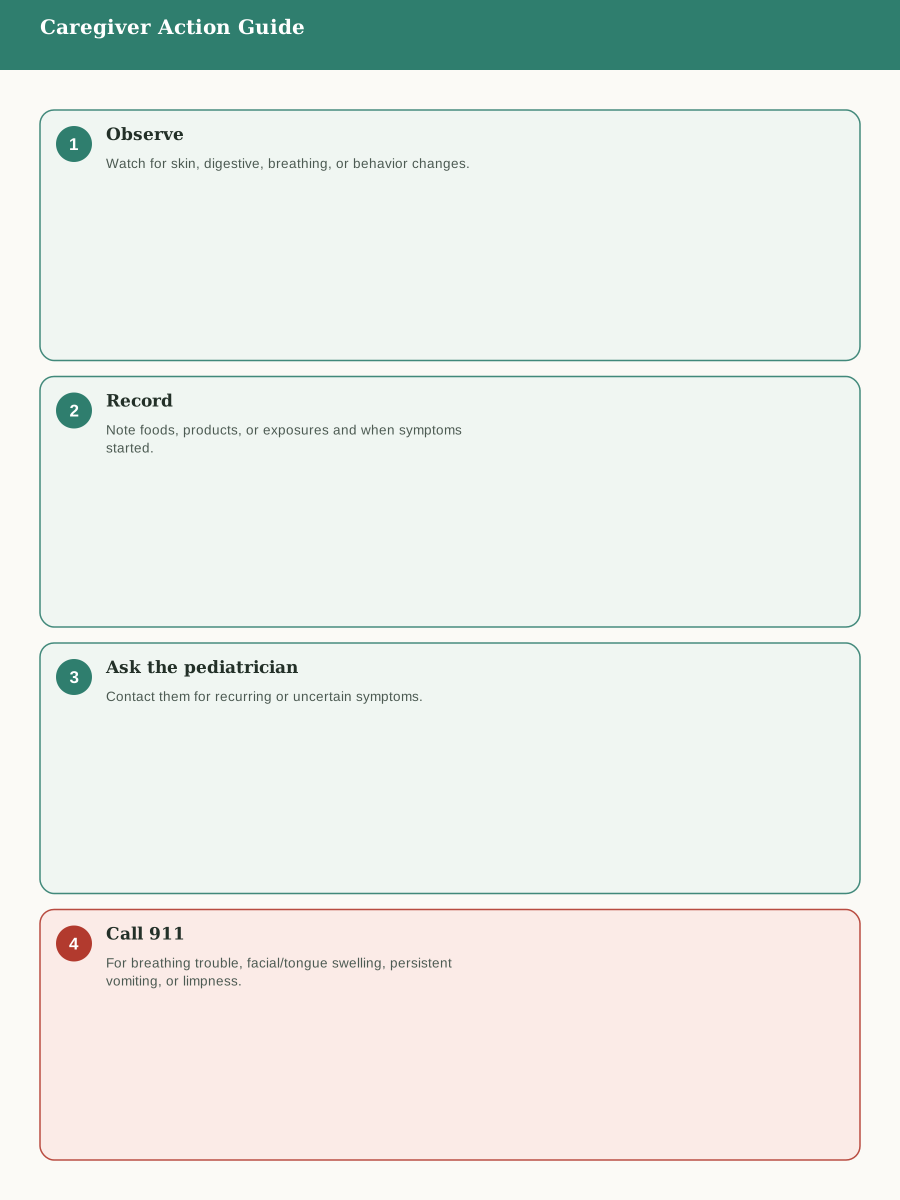
Not every skin rash or upset stomach in a baby needs an emergency visit, but some symptoms should never wait. Use your baby's pediatrician as the first call for anything that isn't a clear emergency — they know your baby's history and can help determine next steps, including whether a referral to a pediatric allergist is needed. For more on recognizing and responding to severe reactions, see our anaphylaxis and allergy emergency guides.
- Routine: Mention any family history of allergies, eczema, or asthma at well-child visits, even without current symptoms.
- Prompt (contact within a day or two): A mild or recurring rash or eczema flare, or occasional digestive upset after certain foods that isn't severe.
- Urgent (same-day pediatrician or urgent care): A rash that's spreading or worsening, repeated vomiting or diarrhea, refusal to feed, or signs of dehydration such as noticeably fewer wet diapers.
- Emergency (call 911): Facial, lip, or tongue swelling; difficulty breathing or wheezing; persistent vomiting after a suspected reaction; or a baby who is limp, unusually drowsy, or hard to wake.
Caregiver Checklist
A little documentation goes a long way when you're trying to sort out what's triggering your baby's symptoms — and it gives your pediatrician useful information to work with.
- Keep a simple log of new foods, products, or exposures along with when symptoms started
- Take photos of any rash or skin reaction to show your pediatrician
- Note your and your partner's history of allergies, eczema, asthma, or hay fever
- Ask your pediatrician when and how it's appropriate to start allergenic foods like peanut and egg for your baby specifically
- Learn the emergency signs of a severe reaction so every caregiver in the home recognizes them
- Avoid introducing new allergenic foods when your baby is already sick or right before bedtime, so you can watch for a reaction
When to seek care
Routine
Mention any family history of allergies, eczema, asthma, or hay fever at well-child visits.
Prompt (within days)
A mild or recurring rash, eczema flare, or occasional digestive upset that isn't severe — contact your pediatrician within a day or two.
Urgent (same day)
A worsening or spreading rash, repeated vomiting or diarrhea, refusal to feed, or signs of dehydration — contact your pediatrician the same day or go to urgent care.
Emergency (call 911)
Facial, lip, or tongue swelling; difficulty breathing or wheezing; persistent vomiting after a reaction; or a baby who is limp, unusually drowsy, or hard to wake — call 911 immediately.
Practical next steps
Safe general steps
- Track symptoms, foods, and timing in a simple log
- Note family history of allergies, eczema, or asthma before your next well-child visit
- Take photos of skin reactions to show your pediatrician
- Reduce household dust, pet dander, and secondhand smoke exposure in your baby's sleep area
- Ask your pediatrician about allergy risk factors and food introduction timing at your next visit
Actions that need medical guidance
- Starting allergenic foods like peanut or egg if your baby has eczema or another food allergy
- Deciding whether allergy testing is appropriate before introducing a food
- Changing your baby's formula or diet because you suspect an allergy
- Getting a referral to a pediatric allergist
Don't attempt without professional advice
- Do not self-diagnose or eliminate foods from your baby's diet without medical guidance
- Do not give any medication, including antihistamines, without your pediatrician's direction
- Do not rely on at-home allergy testing kits to rule an allergy in or out
- Do not wait to see if severe symptoms improve before calling 911
Frequently asked questions
Can babies really have allergies?
Is eczema in my baby a sign of a food allergy?
When should I introduce peanut or other allergenic foods to my baby?
What's the difference between a food allergy and a food intolerance in a baby?
What are the emergency signs of a severe allergic reaction in a baby?
Can pet dander or dust cause allergy symptoms in a baby?
Sources
- NIAID (NIH) — Guidelines for Clinicians and Patients for Diagnosis and Management of Food Allergy in the United States
- MedlinePlus (NIH/NLM) — Food allergy
- MedlinePlus (NIH/NLM) — Anaphylaxis
- ACAAI — Food Allergies: Causes, Symptoms & Treatment
- CDC/NCHS — Diagnosed Allergic Conditions in Children Ages 0-17: United States
- AAAAI — Indoor Allergens
Medical disclaimer: This guide is for general education and isn't a substitute for personalized medical advice. It doesn't provide dosing. Always talk to a qualified healthcare professional about your symptoms and treatment.
Continue building your allergy plan
Explore related guides to understand the full picture, from triggers to treatment to safety.
Go to the treatment & relief guide