
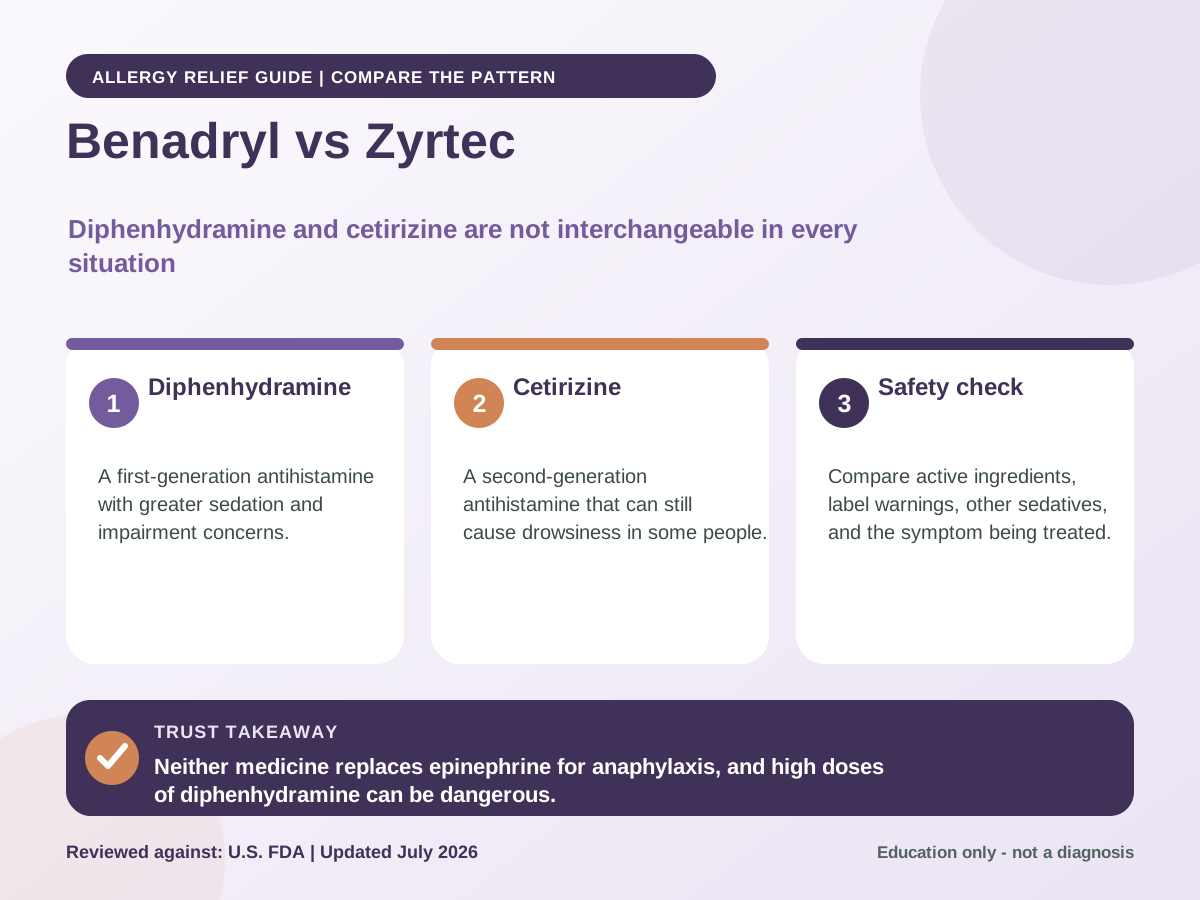
Quick differences in Benadryl vs Zyrtec
Benadryl vs Zyrtec is rarely answered well by a single sentence. The better question is what matters most for you: symptom type, timing, drowsiness risk, speed of relief, or whether the problem may actually be something else.
A good side-by-side comparison needs to do more than repeat label language. You want a decision framework you can apply immediately.
- Which symptoms each option usually helps most
- How often drowsiness or sluggishness changes the decision
- Whether speed, all-day coverage, or hives relief matters more
- When the better move is changing the medicine class instead of changing brands
How to choose the better fit
Start by deciding what outcome you actually want. People often search comparison pages assuming the two options are interchangeable, but small differences become more important when the symptom pattern is specific.
If one option sounds popular but does not match the actual problem, switching can feel disappointing even when the product itself is reasonable. The choice should fit the symptom, the setting, and your tolerance for side effects.
- If itching and sneezing are the main issue, compare Benadryl and Zyrtec by side effects as much as by relief
- If congestion is the main issue, ask whether a nasal steroid or other treatment is actually the better fit
- If you feel sedated, wired, or dry, the product may be wrong for your routine even if it helps a little
Safety, switching, and common mistakes
Medicine comparisons should include caution, not just convenience. It is easy to double up on similar products, combine sedation with driving or work, or keep switching without giving the right option a fair try.
If symptoms are stubborn, the next step may be a different treatment class, better trigger control, or a pharmacist/doctor review rather than another brand swap.
- Avoid taking multiple similar products unless a clinician specifically guides you
- Read the active ingredient, not only the front-of-box brand
- Ask for help if you are pregnant, managing a child, or have other medical conditions
What tends to trigger or worsen it
Most cases get clearer when you understand the exposure pattern. With benadryl vs zyrtec, the big question is often whether symptoms line up with repeated exposure, missed patterns, and symptom overlap with other conditions.
People often lose time trying random products before they answer that trigger question. What actually helps is not more products, but a better match between the problem and the solution.
- Repeated exposure usually matters more than one brief contact
- Home routines, fabrics, weather, and airflow can all change the allergen load
- Stress, poor sleep, and irritation from smoke or fragrance can make allergy symptoms feel worse even when they are not the original trigger
How doctors usually evaluate the issue
A good medical evaluation usually starts with the story: when symptoms happen, what the likely triggers are, how long they last, and what has already been tried. Testing is most helpful when the result will actually change the plan.
That means diagnosis is rarely just about one lab value or one product label. The best plan is built when the symptom pattern, likely trigger, and response to treatment all point in the same direction.
- History first, testing second when needed
- Testing matters more when the trigger is unclear, treatment is not working, or long-term avoidance would be burdensome
- Emergency reactions, breathing symptoms, or food-related reactions deserve a lower threshold for specialist review
Treatment, relief, and the day-to-day plan
The most practical plan is usually layered: reduce exposure, use symptom-matched relief, and step up only if the basics are not enough. That approach is more reliable than adding multiple products at once.
For this topic, the everyday focus should be clear explanation, practical steps, and a sensible plan for when to step up care. Most people want to solve today's problem quickly, but it also helps to know how to prevent tomorrow's flare-up.
- Reduce the exposure that is easiest to change first
- Choose treatment based on the main symptom, not the broadest-sounding product
- Give consistent strategies enough time to work before switching too quickly
Frequently asked questions
Which is better in Benadryl vs Zyrtec?
The better option depends on the main symptom, how quickly relief matters, and how much drowsiness or dryness affects your routine. A comparison page is most useful when it helps you match the product to the actual symptom rather than searching for one universal winner.
Can I switch if the first option is not helping enough?
Sometimes, but switching works best when you first confirm that you picked the right medicine class. If congestion is the main issue, for example, changing between oral antihistamines may help less than stepping toward a different treatment approach.
Should I take two similar allergy medicines together?
Do not assume that doubling up is better. Taking overlapping products can increase side effects without solving the real problem. Always read active ingredients and ask a pharmacist or clinician when you are unsure.
When do comparison pages stop being enough?
If symptoms remain persistent, affect sleep or work, or come with wheeze, swelling, or other concerning signs, the next step is professional advice rather than endless brand switching.
Medical note: This guide is written to be useful for searchers who want a clear next step, but it is still educational content and not a substitute for personalized medical advice.
Continue building the right allergy plan
Use this guide as one part of a bigger system: understand the pattern, reduce exposure, choose the right treatment layer, and escalate care when the situation calls for it.
Go to testing guide