
Epinephrine Auto-Injector: Basics
An epinephrine auto-injector is a prescription device that delivers a single, pre-measured dose of epinephrine (adrenaline) into the outer thigh muscle to treat anaphylaxis, a severe and potentially life-threatening allergic reaction. It is designed for people at risk of anaphylaxis to use themselves or have a caregiver use right away when serious symptoms appear. Using the device is only the first step: emergency medical care is still needed afterward, even if symptoms seem to improve. This page covers general facts about these devices; it does not replace the instructions that come with your specific device or advice from your prescribing clinician.
Quick answer
An epinephrine auto-injector is a prescription device that delivers a single, pre-measured dose of epinephrine (adrenaline) into the outer thigh muscle to treat anaphylaxis, a severe and potentially life-threatening allergic reaction. It is designed for people at risk of anaphylaxis to use themselves or have a caregiver use right away when serious symptoms appear. Using the device is only the first step: emergency medical care is still needed afterward, even if symptoms seem to improve. This page covers general facts about these devices; it does not replace the instructions that come with your specific device or advice from your prescribing clinician.
What you need to know
- An epinephrine auto-injector delivers a fixed dose of epinephrine, the first-line emergency treatment for anaphylaxis.
- Always call 911 after using one, even if symptoms improve, because reactions can return.
- Most clinicians recommend carrying two doses, since one injection may not fully resolve symptoms.
- These devices should be stored at room temperature and checked regularly for expiration or discoloration.
- People at risk should tell family, coworkers, school staff, or travel companions where the device is kept and that it exists.
- Common mistakes include hesitating to use it, carrying only one device, and letting it expire unnoticed.
After Using an Epinephrine Auto-Injector, Call 911
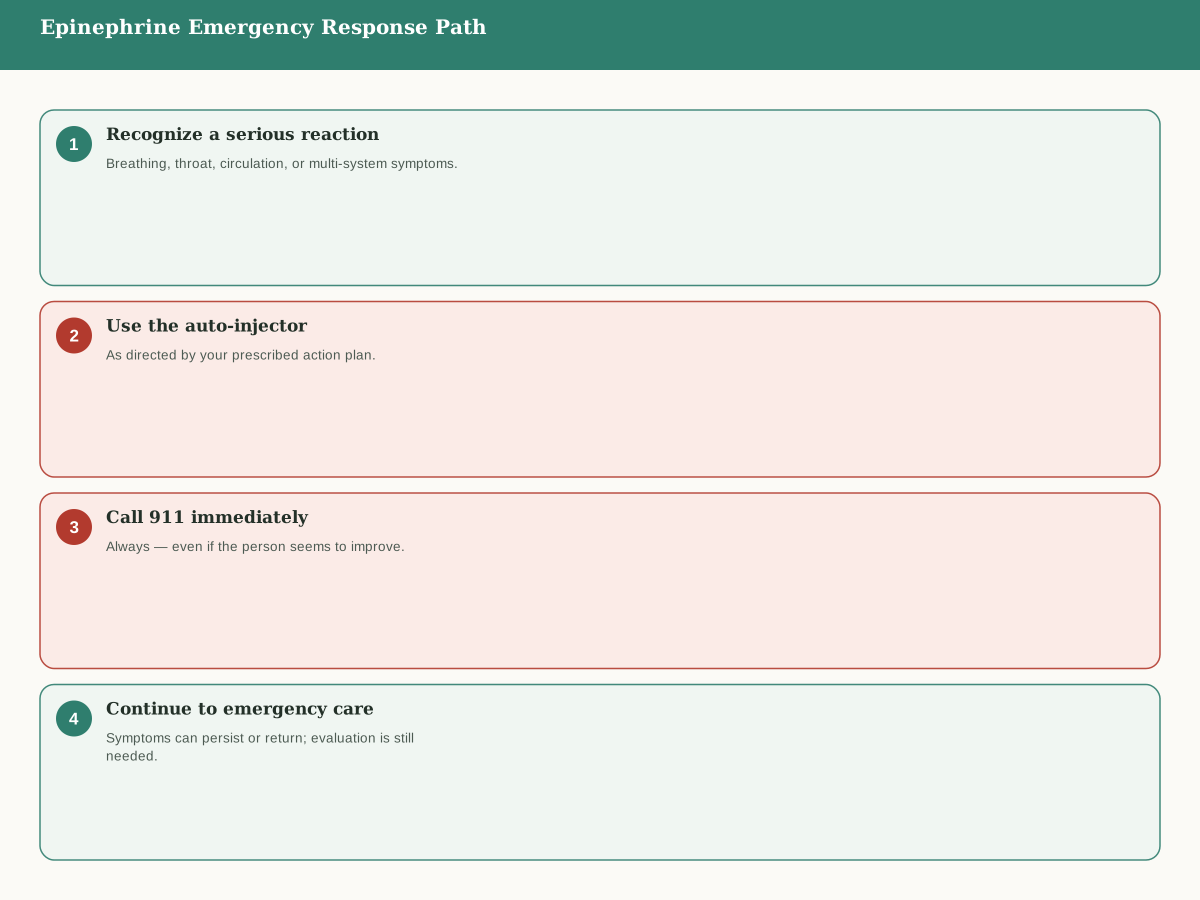
Always call 911 or get emergency medical care right after using an epinephrine auto-injector, even if the person seems to feel better. Symptoms of anaphylaxis can return after the medication wears off, and additional treatment or monitoring may be needed. If symptoms do not improve within the time frame described in your emergency action plan, use a second device if one is available and get emergency help without delay.
What It Is and How It Generally Works
An epinephrine auto-injector is a portable, spring-loaded device that injects a single fixed dose of epinephrine into muscle, typically the outer thigh, through clothing if needed. Epinephrine (also called adrenaline) works quickly to counteract the effects of a severe allergic reaction, such as swelling of the airway, a sudden drop in blood pressure, and trouble breathing.
Several brands and generic versions of these devices are available in the United States, and they are prescribed as fixed-dose products rather than adjustable-dose injections. Because designs and instructions vary slightly by manufacturer, this page describes general concepts only. Always follow the instructions-for-use that come with your specific device and the guidance of the clinician who prescribed it.
Who It's Prescribed For
Epinephrine auto-injectors are generally prescribed for people who have had a severe allergic reaction in the past or who are considered at risk of anaphylaxis, including many people with food allergies, insect sting allergies, or reactions to certain medications. A clinician decides whether a person needs a prescription based on their allergy history and risk factors, often alongside a written emergency action plan.
This page is educational and does not diagnose anaphylaxis or tell you whether you personally need a device. For background on recognizing and managing severe allergic reactions, see the anaphylaxis and allergy emergency pages. Parents and caregivers of children with allergies may also find the allergies in children and food allergies pages helpful for broader context.
General Storage and Expiration Considerations
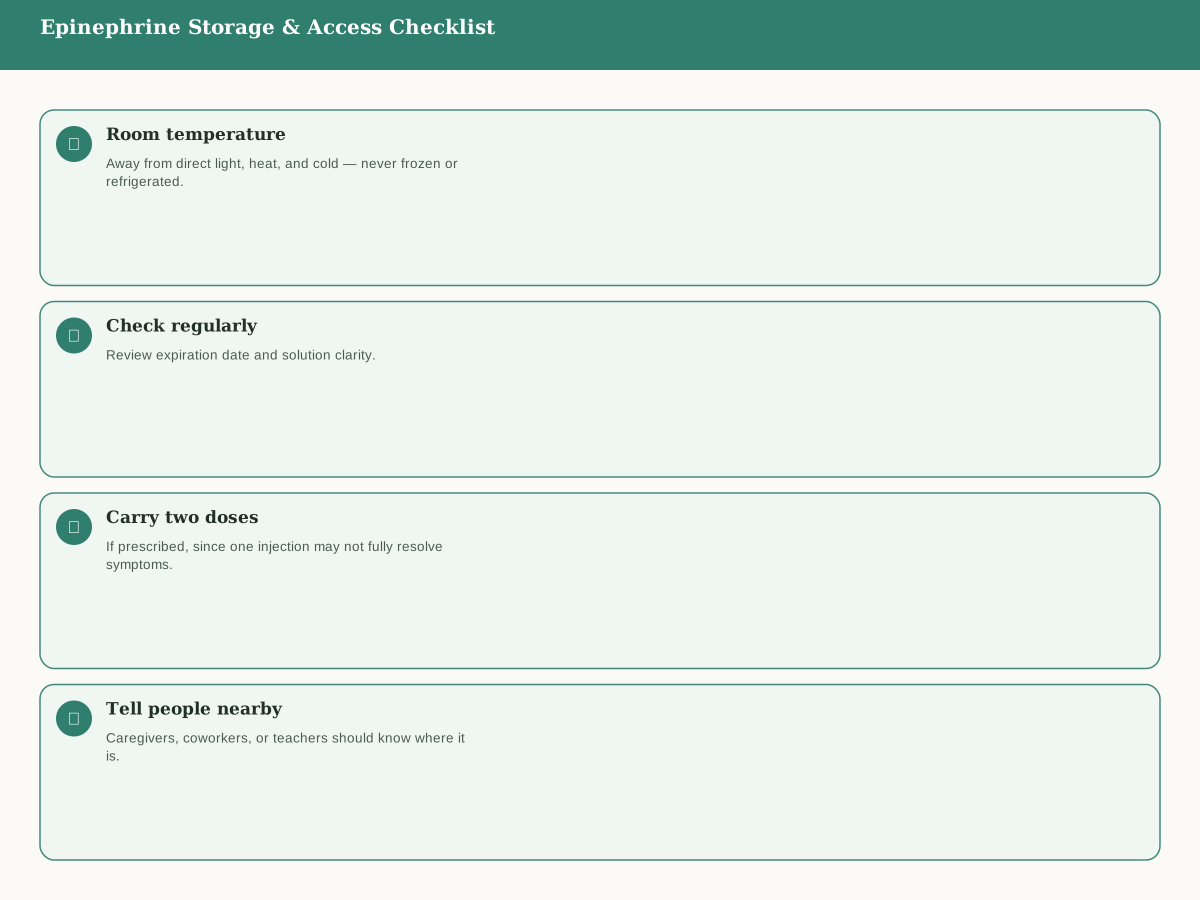
Epinephrine auto-injectors are generally stored at room temperature and kept away from direct light, excess heat, and moisture. They should not be refrigerated or frozen, and manufacturers advise against leaving devices in places where temperatures swing to extremes, such as a car in summer or winter, since heat and cold can degrade the medication and make it less reliable.
Every device has an expiration date printed or stamped on it. Check this date regularly and replace the device promptly once it passes, since the medication's strength can decline over time. It's also worth periodically looking at the liquid visible in the device window: if it appears discolored or has particles floating in it, contact your prescribing clinician or pharmacist about getting a replacement, regardless of the printed date.
- Store at room temperature; avoid refrigeration, freezing, and direct sunlight.
- Never leave a device in a hot car, glove compartment, or freezing outdoor bag for an extended time.
- Check the expiration date on a regular schedule and replace it before or as soon as it passes.
- Look at the solution occasionally; discoloration or particles mean it's time for a new device.
- During manufacturer shortages, the FDA has sometimes authorized extended-use dates for specific lots — check with your pharmacist rather than assuming this applies to your device.
Carrying and Access Considerations
Because anaphylaxis can happen quickly and anywhere, many clinicians recommend keeping an epinephrine auto-injector within reach at all times rather than stored somewhere hard to access, such as a locked cabinet or a bag left in another room. Many people are advised to carry two doses, since a single injection does not always fully resolve symptoms and a second dose may be needed if symptoms persist or return.
It also helps to make sure other people know the device exists and where it's kept. Family members, close coworkers, teachers, coaches, or travel companions who might be present during a reaction can act faster if they already know the plan. A written emergency action plan from your allergist can outline exactly what to do, including when to use a second dose and when to call 911.
What Happens After You Use It
Using an epinephrine auto-injector is not the end of emergency care — it's the beginning. After administering a dose, call 911 or get to an emergency department right away, even if the person appears to be feeling better. Epinephrine can wear off before the allergic reaction has fully resolved, and symptoms can return, sometimes called a biphasic reaction. Medical staff can monitor for this and provide additional treatment if needed.
If symptoms do not improve within the time frame given in a personal emergency action plan, and a second device is available, many plans call for using it and calling 911 immediately if this hasn't already been done. Keep the used device to show emergency responders, since it can help them understand what was given and when.
School, Caregiver, and Travel Considerations
For children with allergies, schools and early care settings play a major role in emergency readiness. Public health guidance for schools emphasizes having epinephrine auto-injectors accessible rather than locked away, training designated staff to recognize anaphylaxis and use the device, and calling 911 immediately after it's administered. Parents and caregivers typically work with the school nurse or designated staff to keep an emergency action plan and device on file, and to make sure it isn't expired.
When traveling, it's generally recommended to carry auto-injectors in a carry-on bag rather than checked luggage, since cargo holds can reach temperature extremes that may affect the medication. Bringing more than one device, along with a copy of the written emergency action plan or prescription information, can help if a reaction happens away from home or if extra doses are needed. See the allergies in children page for more on managing allergies in kids across school and caregiving settings.
Common Mistakes to Avoid
A few recurring mistakes can reduce how well an epinephrine auto-injector works when it's actually needed. Hesitating or waiting to see if symptoms get worse before using the device is one of the most common; because anaphylaxis can escalate quickly, most emergency action plans favor using epinephrine promptly rather than waiting for symptoms to become severe. Trying other remedies, like an antihistamine, as a substitute for epinephrine can also delay the treatment that actually addresses anaphylaxis.
Other common gaps include carrying only one device when two were prescribed, letting a device expire without noticing, and storing it somewhere that exposes it to heat or cold. Finally, not sharing the emergency plan with people nearby — coworkers, teachers, or travel companions — can slow down the response if the person having the reaction is unable to act for themselves.
- Waiting too long to use the device, hoping symptoms will pass on their own.
- Relying on antihistamines instead of epinephrine for a severe reaction.
- Carrying only one auto-injector when two were prescribed.
- Letting a device expire without replacing it.
- Storing the device somewhere exposed to heat, cold, or direct sunlight.
- Not telling anyone nearby where the device is or how the emergency plan works.
When to seek care
Routine
Routine follow-up with an allergist is appropriate for reviewing your prescription, replacing an expiring device, and updating your written emergency action plan.
Prompt (within days)
Contact your prescribing clinician promptly if a device's solution looks discolored or has particles, if you're unsure how many doses you should be carrying, or if your risk factors have changed.
Urgent (same day)
If someone is developing symptoms that could signal a severe allergic reaction — such as widespread hives with difficulty breathing, throat tightness, or repeated vomiting after a known trigger — use the auto-injector if prescribed and available, and treat it as an emergency.
Emergency (call 911)
Call 911 immediately for any signs of anaphylaxis, and always call 911 after an epinephrine auto-injector has been used, even if the person seems to be improving.
Practical next steps
Safe general steps
- Check the expiration date on your auto-injector(s) and set a reminder to review it regularly.
- Confirm you're storing the device at room temperature, away from heat, cold, and direct light.
- Make sure you're carrying the number of doses your clinician recommended.
- Share your emergency action plan with family, coworkers, teachers, or travel companions.
- Pack devices in carry-on luggage, not checked bags, when traveling.
Actions that need medical guidance
- Deciding whether you or a family member should be prescribed an epinephrine auto-injector.
- Understanding how many doses to carry based on your personal risk factors.
- Reviewing or updating a written anaphylaxis emergency action plan with your allergist.
- Questions about a specific device's instructions-for-use or handling technique.
Don't attempt without professional advice
- Do not use an antihistamine alone in place of epinephrine for a suspected severe allergic reaction.
- Do not use an auto-injector without also following up with emergency medical care afterward.
- Do not attempt to determine dosing or technique from general information instead of the device's official instructions-for-use.
- Do not assume an expired device is reliable; replace it before you need it.
Frequently asked questions
What is an epinephrine auto-injector used for?
Do I still need to call 911 if the auto-injector seems to work?
Why do people carry two epinephrine auto-injectors?
Can I use an expired epinephrine auto-injector in an emergency?
How should I store an epinephrine auto-injector?
Should my child's school keep an epinephrine auto-injector on hand?
Sources
- MedlinePlus (NIH/NLM) — Epinephrine Injection
- ACAAI — Epinephrine Auto-Injector
- CDC — Managing Food Allergies in Schools
- FDA — Important Update on EpiPen (epinephrine injection, USP) Auto-Injectors
Medical disclaimer: This guide is for general education and isn't a substitute for personalized medical advice. It doesn't provide dosing. Always talk to a qualified healthcare professional about your symptoms and treatment.
Related guides
Continue building your allergy plan
Explore related guides to understand the full picture, from triggers to treatment to safety.
Go to the treatment & relief guide