
Hives (Urticaria): Causes, Symptoms and Relief
Hives (urticaria) are itchy, raised welts on the skin that can result from allergic reactions to foods, medications, or insect stings, as well as non-allergic triggers like infections, stress, or temperature changes. Most hives are uncomfortable but not dangerous and settle on their own or with antihistamines. However, hives combined with throat or facial swelling, trouble breathing, dizziness, or vomiting can signal anaphylaxis, a medical emergency requiring immediate 911 care.
Quick answer
Hives (urticaria) are itchy, raised welts on the skin that can result from allergic reactions to foods, medications, or insect stings, as well as non-allergic triggers like infections, stress, or temperature changes. Most hives are uncomfortable but not dangerous and settle on their own or with antihistamines. However, hives combined with throat or facial swelling, trouble breathing, dizziness, or vomiting can signal anaphylaxis, a medical emergency requiring immediate 911 care.
What you need to know
- Hives are raised, itchy, red or skin-colored welts that can move around the body and change shape within hours.
- Acute hives (lasting under 6 weeks) are more often linked to a specific trigger like food, medication, or an infection.
- Chronic hives (lasting 6 weeks or more) are usually not caused by food allergies and often have no identifiable trigger.
- Hives by themselves are usually not an emergency, but hives plus swelling, breathing trouble, dizziness, or vomiting can mean anaphylaxis.
- Non-sedating antihistamines are the standard first-line approach for both acute and chronic hives.
- Hives that are frequent, long-lasting, or hard to control are worth discussing with a doctor or allergist.
When Hives Are a Medical Emergency
Hives alone are usually not dangerous. But if hives appear along with swelling of the face, lips, tongue, or throat, trouble breathing or swallowing, wheezing, dizziness or fainting, a fast or weak pulse, or repeated vomiting, this can mean anaphylaxis, a severe, rapidly progressing allergic reaction. Call 911 immediately and use an epinephrine auto-injector right away if one is available and prescribed. Do not wait to see if symptoms improve on their own. See our anaphylaxis and allergy emergency guides for more on recognizing and responding to a severe reaction.
What Are Hives (Urticaria)?
Hives, medically called urticaria, are raised, usually itchy welts that appear on the surface of the skin. They can be as small as a pencil eraser or as large as a dinner plate, and individual welts often have a pale center with a red or skin-colored border. A hallmark feature is that pressing on a hive typically makes it blanch, or turn white, at the center.
Hives commonly move around: a welt may fade in one spot within hours and reappear somewhere else. According to MedlinePlus, individual hives usually disappear and reappear within minutes or hours and rarely last longer than 48 hours, even though a hives outbreak as a whole can continue for longer.
When the body has an allergic reaction, it releases histamine and other chemicals into the bloodstream. This release causes small blood vessels to leak fluid into the skin, producing the swelling, redness, and itching typical of hives. Not all hives are caused by allergies, though — non-allergic triggers are common too, and are described below.
Common Allergic Triggers of Hives
According to the American College of Allergy, Asthma and Immunology (ACAAI) and MedlinePlus, hives are a well-known sign of an allergic reaction. Short-term (acute) hives are frequently linked to a specific allergic trigger that can often be identified.
Reported allergic triggers include:
- Certain foods, such as peanuts, tree nuts, eggs, shellfish, fish, and milk
- Medications, including antibiotics and aspirin
- Insect stings or bites
- Latex
- Animal dander and pollen
Common Non-Allergic Causes of Hives
Hives don't always mean an allergy is involved. MedlinePlus and ACAAI note that viral and bacterial infections are among the most common causes of hives, particularly in children. Physical and environmental factors can also trigger a type of hives sometimes called physical urticaria.
Non-allergic triggers include:
- Viral or bacterial infections
- Emotional stress
- Extreme heat or cold, sun exposure, sweating, or exercise
- Pressure, friction, or vibration against the skin
- Water contact
- In many cases, especially with chronic hives, no clear cause is ever identified
Acute vs. Chronic Urticaria
Allergy specialists classify hives by how long they last. Acute urticaria refers to hives that last less than six weeks, while chronic urticaria refers to hives that continue, on and off, for six weeks or longer. ACAAI describes chronic hives as occurring almost daily over this period, with individual welts typically resolving within 24 hours before new ones appear.
Acute hives are more likely to be tied to an identifiable trigger such as a food, medication, or infection. Chronic hives are different: ACAAI states that for almost all patients with chronic hives, the condition is not triggered by food, even though many people suspect it is. Chronic hives can sometimes be linked to autoimmune activity or thyroid conditions, but in many cases a clear cause is never found. ACAAI describes chronic spontaneous urticaria as affecting a small percentage of the general population and occurring roughly twice as often in women as in men.
Because the underlying reasons for acute and chronic hives can differ so much, an allergist's evaluation is often more useful for hives that keep coming back than for a single short-lived episode.
Hives and the Anaphylaxis Connection
Hives are one of the most common early signs of anaphylaxis, a severe and potentially life-threatening allergic reaction. Both AAAAI and ACAAI describe anaphylaxis as often beginning with skin symptoms — hives, itching, flushing, or a rash — that can progress quickly to more dangerous symptoms.
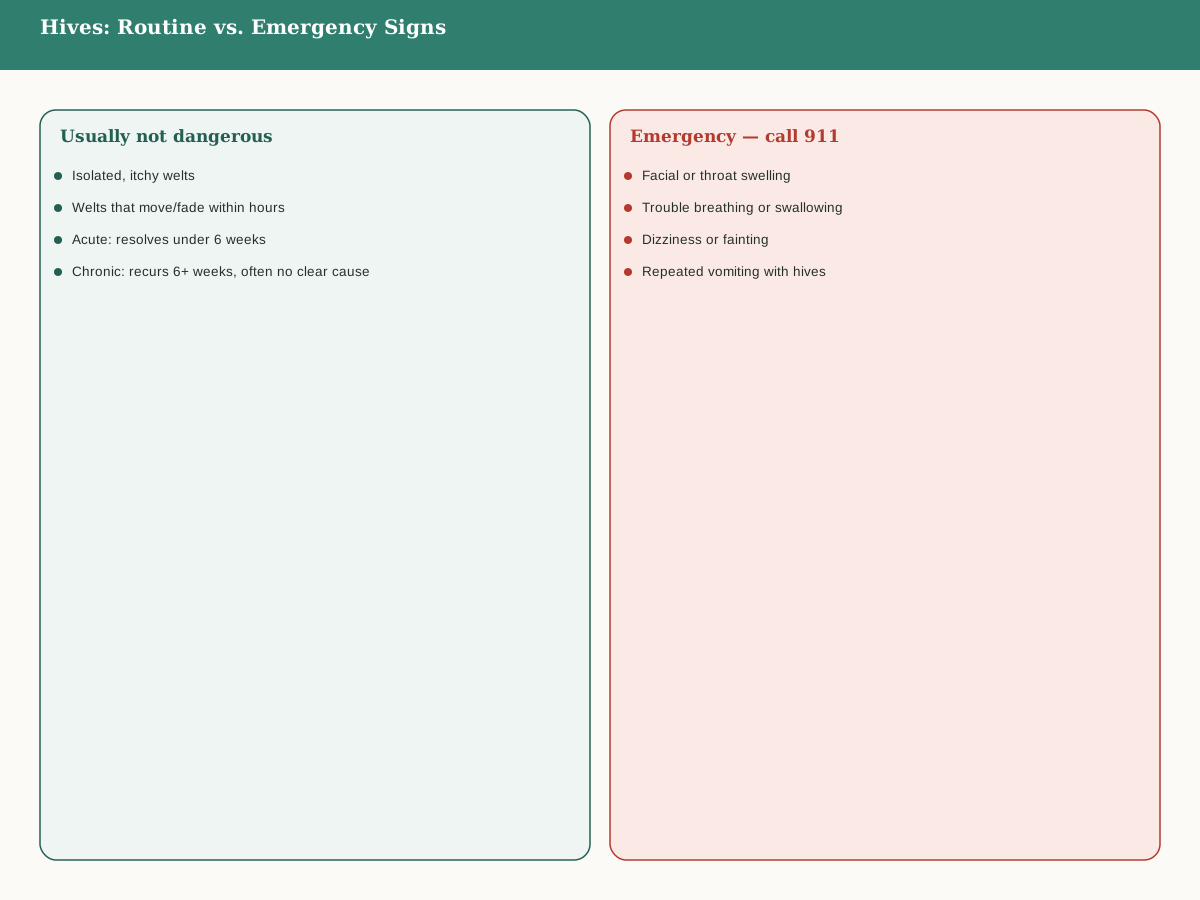
The important distinction is this: hives by themselves, without any other symptoms, are usually not a sign of anaphylaxis and are typically not dangerous. But when hives occur alongside symptoms in other parts of the body — such as swelling of the lips, tongue, or throat; difficulty breathing or swallowing; wheezing; dizziness or fainting; a weak or rapid pulse; or repeated vomiting — this pattern can indicate anaphylaxis. ACAAI notes that reaction severity can be unpredictable, so any suspected anaphylaxis should be treated as an emergency rather than waiting to see if it worsens.
If someone has a history of severe allergic reactions and develops hives after a known trigger like a food or insect sting, it is reasonable to watch closely for these additional warning signs. For more on recognizing and responding to anaphylaxis, see our anaphylaxis, allergy emergency, and food allergies guides.
Home Care and Relief Steps
For mild, uncomplicated hives without any warning signs of a severe reaction, MedlinePlus suggests several simple comfort measures while the skin settles down.
Steps that may help include:
- Avoiding hot showers or baths, which can worsen itching
- Wearing loose, lightweight clothing to reduce skin irritation
- Applying cool compresses to itchy areas
- Avoiding known triggers, such as a specific food, medication, or physical exposure, once identified
- Keeping track of when hives appear and what may have preceded them, which can help a doctor identify patterns
Treatment Approach and When to See a Doctor for Chronic or Recurrent Hives
Both AAAAI and ACAAI describe non-sedating (non-drowsy) oral antihistamines as the standard first-line approach for treating hives, whether acute or chronic. Antihistamines work by blocking histamine, the chemical largely responsible for the itching and swelling of hives. For hives that don't respond well to standard antihistamines, ACAAI notes that an allergist may consider other prescription options; this guide does not provide dosing information, so always follow product labeling or a clinician's instructions. See our antihistamines guide for a general overview of how these medications work.
Most single episodes of hives improve within a matter of hours to days and don't require a doctor visit unless they are severe or not improving with basic self-care. However, hives that are frequent, last more than six weeks, significantly disrupt sleep or daily life, or come with swelling under the skin are worth discussing with a healthcare provider or allergist. According to ACAAI, an allergist evaluating chronic hives will typically review medical history, possible environmental exposures, and current medications to look for contributing factors.
This page is for general education and does not diagnose any individual's condition. Always consult a qualified healthcare provider for evaluation of persistent or concerning symptoms.
When to seek care
Routine
A single, mild episode of hives that is not worsening and has no other symptoms can often be watched at home with basic comfort measures.
Prompt (within days)
Hives that are widespread, very itchy, not improving after a few days, or that keep recurring warrant a call to a doctor's office for guidance.
Urgent (same day)
Hives lasting six weeks or longer, hives that disrupt sleep or daily activities, or hives with no clear trigger should be evaluated by a doctor or allergist, ideally within days.
Emergency (call 911)
Hives together with facial or throat swelling, trouble breathing or swallowing, wheezing, dizziness or fainting, a weak or rapid pulse, or repeated vomiting require calling 911 immediately — this combination can indicate anaphylaxis.
Practical next steps
Safe general steps
- Note what you ate, took, or were exposed to before hives appeared, to help identify possible triggers
- Apply cool compresses and wear loose clothing to ease itching
- Avoid hot showers, tight clothing, and known irritants while hives are active
- Keep a symptom log if hives recur, including timing, duration, and possible triggers
- Learn the difference between hives alone and hives with warning signs of anaphylaxis, described in our anaphylaxis guide
Actions that need medical guidance
- Choosing or adjusting an antihistamine regimen for hives that don't improve with basic self-care
- Evaluating hives that have lasted six weeks or longer (chronic urticaria)
- Identifying a suspected food, medication, or insect-sting trigger, especially if allergy testing may be useful
- Managing hives that occur alongside another chronic condition, such as thyroid disease
Don't attempt without professional advice
- Do not wait and watch if hives are accompanied by throat/facial swelling, breathing difficulty, dizziness, fainting, or repeated vomiting — call 911
- Do not rely on antihistamines alone to treat a suspected anaphylactic reaction; epinephrine and emergency care are needed
- Do not assume chronic hives are caused by a food without a clinician's evaluation, since ACAAI notes food is rarely the cause in these cases
- Do not ignore hives that keep coming back for six weeks or more without getting it checked
Frequently asked questions
Are hives the same thing as an allergic reaction?
How long do hives usually last?
Can hives be dangerous?
Are chronic hives usually caused by a food allergy?
What helps relieve hives at home?
When should chronic or recurring hives be evaluated by a doctor?
Sources
- MedlinePlus (NIH/National Library of Medicine) — Hives
- MedlinePlus (NIH/National Library of Medicine) — Hives: Medical Encyclopedia
- American College of Allergy, Asthma and Immunology (ACAAI) — Hives (Urticaria): Causes, Symptoms & Treatment
- American College of Allergy, Asthma and Immunology (ACAAI) — Chronic Spontaneous/Idiopathic Urticaria (Chronic Hives)
- American College of Allergy, Asthma and Immunology (ACAAI) — Anaphylaxis: Causes, Symptoms & Treatment
- NIAID (National Institute of Allergy and Infectious Diseases, NIH) — Physical Urticaria Research Study
Medical disclaimer: This guide is for general education and isn't a substitute for personalized medical advice. It doesn't provide dosing. Always talk to a qualified healthcare professional about your symptoms and treatment.
Related guides
Continue building your allergy plan
Explore related guides to understand the full picture, from triggers to treatment to safety.
Go to the treatment & relief guide