
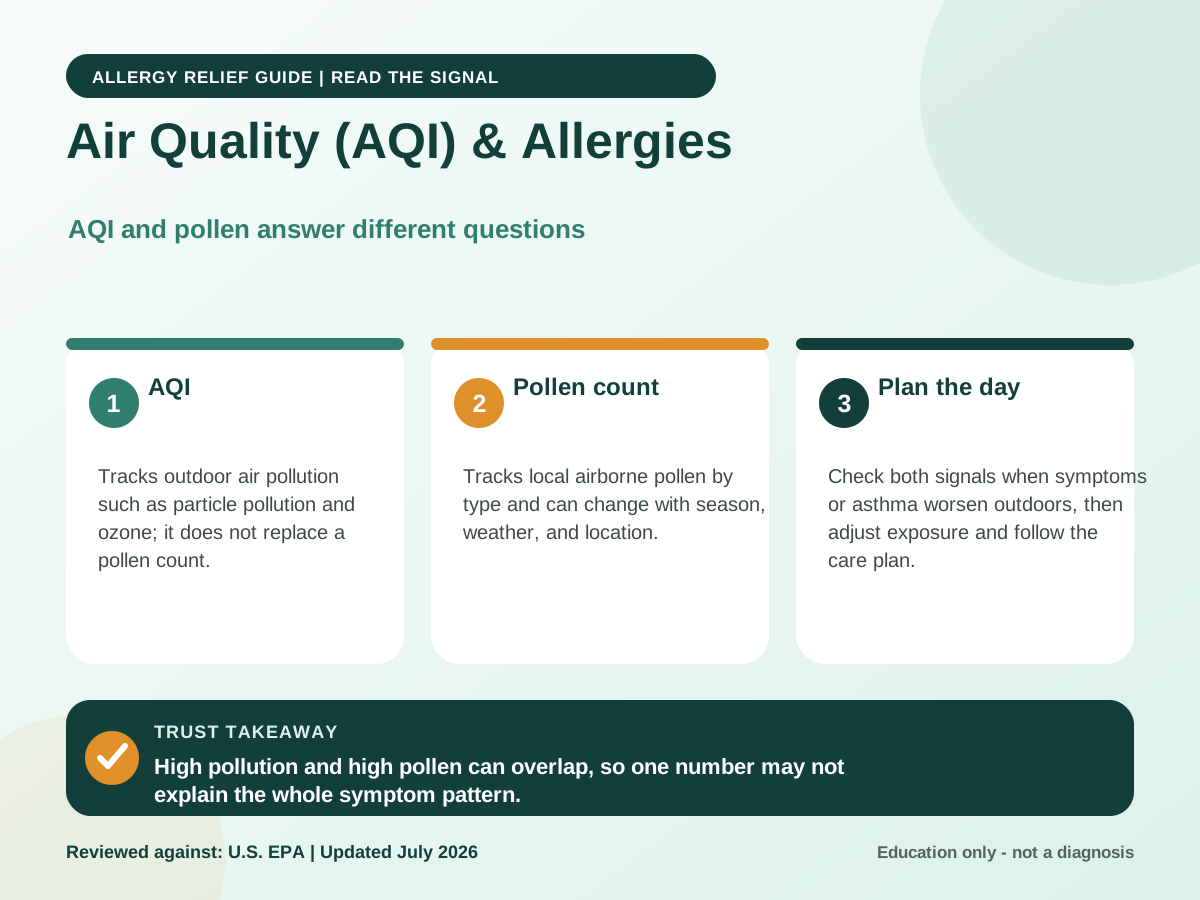
What Air Quality (AQI) & Allergies usually means
Air Quality (AQI) & Allergies is best explained in plain language: it is usually a question about air quality allergies, the pattern around it, and what someone should do next. Many people do not need more theory; they need a reliable explanation that fits what they are actually experiencing.
The useful starting point is to connect the topic to indoor air, surfaces, fabrics, moisture, and cleaning habits that raise or lower the allergen load at home. That keeps the explanation grounded in what you are actually trying to figure out, instead of drifting into broad medical wording that does not help you make a decision today.
- Start with the symptom or trigger that is bothering you most
- Notice whether the pattern is seasonal, indoor, food-related, or situation-specific
- Use the response to avoidance or treatment as part of the clue, not as the only answer
Common signs, patterns, and real-life clues
Across this topic area, people usually notice ongoing indoor symptoms such as congestion, sneezing, itchy eyes, cough, or nighttime flare-ups. The detail that matters most is not only what the symptom is, but when it happens, how quickly it starts, and what makes it better or worse.
That timing piece is why two people can use the same word, such as congestion or cough, but need different advice. A symptom after outdoor exposure, a symptom only in one room, and a symptom after meals point in very different directions.
- Look for repeatability rather than one isolated episode
- Note the setting: indoors, outdoors, school, work, bedtime, meals, or around animals
- Pay attention to accompanying clues such as itching, fever absence, wheeze, rash, swelling, or vomiting
What tends to trigger or worsen it
Most cases get clearer when you understand the exposure pattern. With air quality allergies, the big question is often whether symptoms line up with repeated exposure, missed patterns, and symptom overlap with other conditions.
People often lose time trying random products before they answer that trigger question. What actually helps is not more products, but a better match between the problem and the solution.
- Repeated exposure usually matters more than one brief contact
- Home routines, fabrics, weather, and airflow can all change the allergen load
- Stress, poor sleep, and irritation from smoke or fragrance can make allergy symptoms feel worse even when they are not the original trigger
How doctors usually evaluate the issue
A good medical evaluation usually starts with the story: when symptoms happen, what the likely triggers are, how long they last, and what has already been tried. Testing is most helpful when the result will actually change the plan.
That means diagnosis is rarely just about one lab value or one product label. The best plan is built when the symptom pattern, likely trigger, and response to treatment all point in the same direction.
- History first, testing second when needed
- Testing matters more when the trigger is unclear, treatment is not working, or long-term avoidance would be burdensome
- Emergency reactions, breathing symptoms, or food-related reactions deserve a lower threshold for specialist review
Treatment, relief, and the day-to-day plan
The most practical plan is usually layered: reduce exposure, use symptom-matched relief, and step up only if the basics are not enough. That approach is more reliable than adding multiple products at once.
For this topic, the everyday focus should be clear explanation, practical steps, and a sensible plan for when to step up care. Most people want to solve today's problem quickly, but it also helps to know how to prevent tomorrow's flare-up.
- Reduce the exposure that is easiest to change first
- Choose treatment based on the main symptom, not the broadest-sounding product
- Give consistent strategies enough time to work before switching too quickly
When home care is not enough
You should step up care when symptoms keep returning, disrupt sleep or daily life, or suggest the problem is larger than routine allergy irritation. The key question at that point is whether home management is actually solving the right problem.
The more serious threshold is mold growth, strong asthma symptoms, or home-exposure problems that regular cleaning is not solving. Those situations matter because delay often leads to more suffering, more unnecessary spending, or more risk than the original symptom itself.
- Get medical help sooner for breathing problems, swelling, or fast-moving reactions
- Seek review when symptoms are persistent despite regular treatment
- Ask for specialist input when the diagnosis affects school, pregnancy, food safety, or long-term environmental changes
Frequently asked questions
What is the simplest way to think about Air Quality (AQI) & Allergies?
Air Quality (AQI) & Allergies becomes easier to manage when you connect the symptom or reaction to the trigger pattern, then choose treatment based on the part causing the most trouble. Most people benefit from a clearer plan more than from more products.
What usually makes air quality allergies worse?
Repeated exposure, delayed recognition of the trigger, inconsistent routines, and using the wrong treatment layer are common reasons symptoms or reactions feel harder to control.
Can home steps alone solve the problem?
Sometimes they help a lot, especially when exposure reduction is strong and the symptoms are mild. But home steps work best as part of a layered plan, not as a guarantee that medical treatment or testing will never be needed.
When should I ask a doctor about this topic?
Ask for medical help when symptoms are persistent, disruptive, unclear, or escalating. In this area, the main warning threshold is mold growth, strong asthma symptoms, or home-exposure problems that regular cleaning is not solving.
Medical note: This guide is written to be useful for searchers who want a clear next step, but it is still educational content and not a substitute for personalized medical advice.
Continue building the right allergy plan
Use this guide as one part of a bigger system: understand the pattern, reduce exposure, choose the right treatment layer, and escalate care when the situation calls for it.
Go to treatment guide