
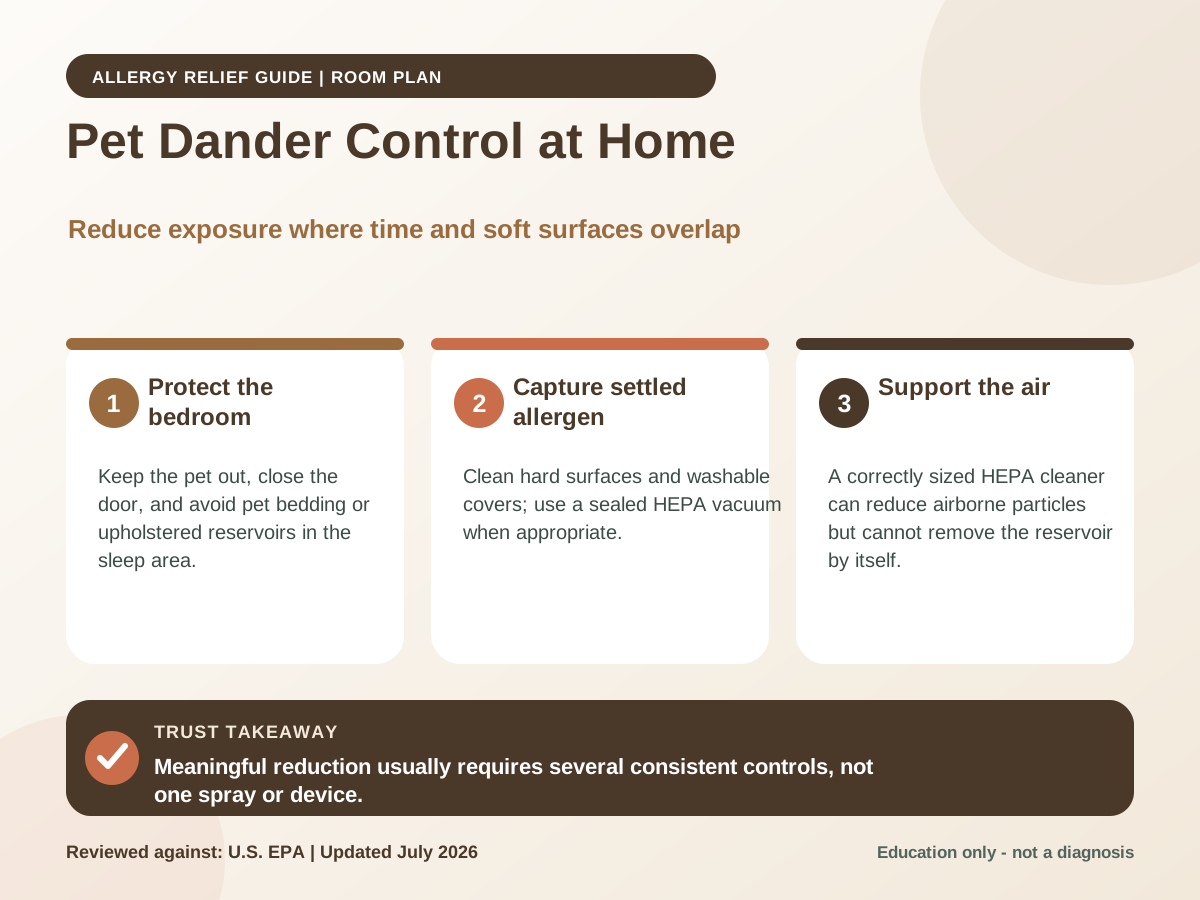
What actually matters most in Pet Dander Control at Home
Pet Dander Control at Home works best when it focuses on the few actions that change exposure the most. Many users waste energy on low-impact tasks while the main allergen source keeps circulating in the background.
That is why this guide is action-led. The goal is not just education; it is helping you make better decisions in the next hour, this week, and during the next flare-up.
- Start with the room, fabric, or habit creating the biggest repeat exposure
- Choose consistent routines over occasional deep-cleaning bursts
- Pair environmental steps with symptom relief when symptoms are already active
Step-by-step plan
A stepwise plan usually works better than trying to fix everything at once. Start with the change that is easiest to sustain and most likely to lower the allergen load quickly.
Once the first step is stable, add the next layer. That pacing helps you see what is actually working and avoids the all-or-nothing burnout many people run into.
- Remove or limit the highest-yield source first
- Improve air, fabric, and cleaning routines second
- Review the result after one to two consistent weeks before adding more changes
Mistakes that make the plan weaker
The most common mistake is solving a symbolic problem instead of the real one. For example, changing one product or doing one big clean rarely beats repeated exposure from bedding, carpets, pets, or moisture that stays in place.
Another mistake is expecting home control to replace every other layer. Source reduction is powerful, but many people still need medicine or testing when symptoms are already well-established.
- Do not rely on a single gadget while the main source remains active
- Avoid routines that are difficult to repeat and easy to abandon
- If symptoms are not moving at all, rethink the trigger instead of only intensifying the same tactic
How doctors usually evaluate the issue
A good medical evaluation usually starts with the story: when symptoms happen, what the likely triggers are, how long they last, and what has already been tried. Testing is most helpful when the result will actually change the plan.
That means diagnosis is rarely just about one lab value or one product label. The best plan is built when the symptom pattern, likely trigger, and response to treatment all point in the same direction.
- History first, testing second when needed
- Testing matters more when the trigger is unclear, treatment is not working, or long-term avoidance would be burdensome
- Emergency reactions, breathing symptoms, or food-related reactions deserve a lower threshold for specialist review
Treatment, relief, and the day-to-day plan
The most practical plan is usually layered: reduce exposure, use symptom-matched relief, and step up only if the basics are not enough. That approach is more reliable than adding multiple products at once.
For this topic, the everyday focus should be room rules, filtration, cleaning rhythm, and symptom-matched treatment. Most people want to solve today's problem quickly, but it also helps to know how to prevent tomorrow's flare-up.
- Reduce the exposure that is easiest to change first
- Choose treatment based on the main symptom, not the broadest-sounding product
- Give consistent strategies enough time to work before switching too quickly
When home care is not enough
You should step up care when symptoms keep returning, disrupt sleep or daily life, or suggest the problem is larger than routine allergy irritation. The key question at that point is whether home management is actually solving the right problem.
The more serious threshold is mold growth, strong asthma symptoms, or home-exposure problems that regular cleaning is not solving. Those situations matter because delay often leads to more suffering, more unnecessary spending, or more risk than the original symptom itself.
- Get medical help sooner for breathing problems, swelling, or fast-moving reactions
- Seek review when symptoms are persistent despite regular treatment
- Ask for specialist input when the diagnosis affects school, pregnancy, food safety, or long-term environmental changes
Frequently asked questions
What is the simplest way to think about Pet Dander Control at Home?
Pet Dander Control at Home becomes easier to manage when you connect the symptom or reaction to the trigger pattern, then choose treatment based on the part causing the most trouble. Most people benefit from a clearer plan more than from more products.
What usually makes pet dander control worse?
Repeated exposure, delayed recognition of the trigger, inconsistent routines, and using the wrong treatment layer are common reasons symptoms or reactions feel harder to control.
Can home steps alone solve the problem?
Sometimes they help a lot, especially when exposure reduction is strong and the symptoms are mild. But home steps work best as part of a layered plan, not as a guarantee that medical treatment or testing will never be needed.
When should I ask a doctor about this topic?
Ask for medical help when symptoms are persistent, disruptive, unclear, or escalating. In this area, the main warning threshold is mold growth, strong asthma symptoms, or home-exposure problems that regular cleaning is not solving.
Medical note: This guide is written to be useful for searchers who want a clear next step, but it is still educational content and not a substitute for personalized medical advice.
Continue building the right allergy plan
Use this guide as one part of a bigger system: understand the pattern, reduce exposure, choose the right treatment layer, and escalate care when the situation calls for it.
Go to treatment guide