Allergies in Children: Complete Guide
Allergies in children commonly show up as a runny or itchy nose, sneezing, congestion, itchy watery eyes, skin rashes, or digestive upset after certain foods, and they tend to last as long as the exposure continues rather than clearing up in a week or two like a cold. Common triggers include pollen, dust mites, pet dander, and foods such as milk, egg, peanut, and tree nuts. Most childhood allergies are manageable with trigger avoidance and pediatrician-guided care, but any sign of difficulty breathing, throat or facial swelling, or widespread hives with vomiting is a medical emergency.
Quick answer
Allergies in children commonly show up as a runny or itchy nose, sneezing, congestion, itchy watery eyes, skin rashes, or digestive upset after certain foods, and they tend to last as long as the exposure continues rather than clearing up in a week or two like a cold. Common triggers include pollen, dust mites, pet dander, and foods such as milk, egg, peanut, and tree nuts. Most childhood allergies are manageable with trigger avoidance and pediatrician-guided care, but any sign of difficulty breathing, throat or facial swelling, or widespread hives with vomiting is a medical emergency.
What you need to know
- Children often show allergy symptoms differently than adults, with more skin and digestive reactions to food and more chronic ear or congestion issues.
- Common childhood triggers include seasonal pollen, dust mites, pet dander, mold, and foods like milk, egg, peanut, and tree nuts.
- Allergy symptoms typically persist for weeks and do not cause fever, which helps distinguish them from a cold.
- Allergy testing can be appropriate at any age when guided by a doctor, but it's generally targeted to a suspected trigger rather than broad screening.
- A written school or daycare allergy plan is one of the most effective tools for keeping a child safe outside the home.
- Any sign of anaphylaxis, such as trouble breathing or facial swelling, requires calling 911 immediately.
Emergency Warning Signs in Children
Call 911 immediately if a child has difficulty breathing or swallowing, swelling of the face, lips, tongue, or throat, widespread hives with vomiting or dizziness, or sudden weakness or fainting after a known or suspected allergen exposure. These can be signs of anaphylaxis, a severe, potentially life-threatening reaction that can progress quickly in children. If a prescribed epinephrine auto-injector is on hand, use it per the child's action plan and still call 911, since a second wave of symptoms can occur hours later. See our full guides on anaphylaxis and allergy emergency care for more detail.
How Allergy Symptoms Show Up in Children
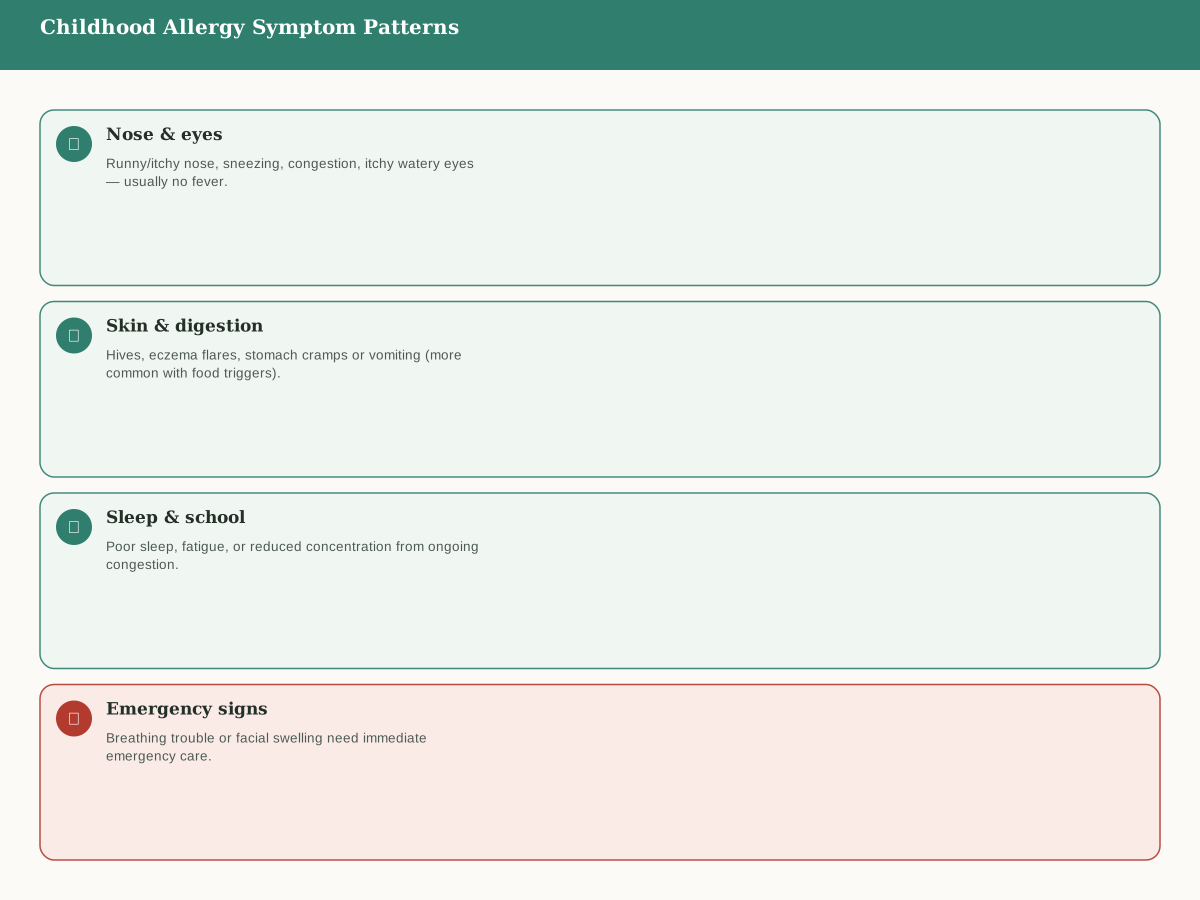
Allergic symptoms in children often overlap with adult symptoms but show up in patterns more specific to kids. Common signs include a runny and itchy nose, sneezing, postnasal drip, nasal congestion, and itchy, watery, red eyes. Children with allergies are also more prone than adults to chronic ear problems, since nasal congestion can affect drainage from the ears.
Food allergies tend to present differently in children than inhaled (environmental) allergies do. A child with a food allergy is more likely to develop skin symptoms, such as hives or an eczema flare, and digestive symptoms like stomach cramps, nausea, or vomiting. Because young children may not describe what they're feeling, watch for cues like frequent nose rubbing, mouth breathing, dark circles under the eyes, or a child who seems unusually tired or irritable during certain seasons or after certain meals.
Some children also develop a cough or wheeze alongside typical allergy symptoms. If that pattern recurs, it's worth discussing the possible overlap with allergic asthma with a pediatrician.
- Runny, itchy, congested nose and frequent sneezing
- Itchy, watery, red eyes
- Chronic or recurring ear congestion or infections
- Skin rashes, hives, or eczema flares (more common with food triggers)
- Stomach cramps, nausea, or vomiting after certain foods
Common Triggers by Age
According to CDC survey data, an estimated 18.9% of U.S. children had a diagnosed seasonal allergy, 10.8% had eczema, and 5.8% had a food allergy in recent national data — making allergic conditions among the most common chronic health issues in childhood. Which triggers matter most often shifts as a child grows.
In infants and toddlers, food allergies and eczema tend to be identified first, since these ages involve introducing new foods. Milk, egg, and peanut are among the most frequent early food triggers, alongside tree nuts, wheat, soy, fish, and shellfish. See our guides on allergies in babies and allergies in toddlers for age-specific detail. As children get older and spend more time outdoors and in school, seasonal and environmental triggers often become more noticeable.
It's common for a child to react to more than one type of trigger, and for the mix to change over time — one reason ongoing conversations with a pediatrician are more useful than a single one-time assessment.
- Seasonal/outdoor: tree, grass, and weed pollen
- Indoor/year-round: dust mites, pet dander, mold, cockroach allergen
- Food: milk, egg, peanut, tree nuts, wheat, soy, fish, shellfish
Allergies or Just a Cold? Telling Them Apart
Because colds are so common in childhood, parents often wonder whether recurring congestion, sneezing, or a runny nose is a cold or an allergy. Allergic reactions to airborne triggers, sometimes called allergic rhinitis, happen when a child breathes in an allergen like pollen, mold, dust, or animal dander, and the body releases chemicals that produce nasal and eye symptoms. These symptoms tend to continue for as long as the exposure continues — weeks during a pollen season, or persistently if the trigger is year-round, such as a pet in the home.
Colds, by contrast, are caused by viruses and generally follow a shorter course. Allergies typically do not cause a fever, so a feverish child is more likely dealing with a cold or another illness. Itchy, watery eyes are also more characteristic of allergies than of a typical cold. If symptoms linger well beyond the usual course of a cold, recur at the same time every year, or track with a specific exposure, an allergy is worth discussing with a pediatrician.
When to Consider Allergy Testing for a Child
Allergy testing directed by an allergist is generally considered safe and effective for children of essentially any age; there's no strict age cutoff. That said, testing isn't typically used as broad screening. NIAID-sponsored food allergy guidelines note that skin or blood (IgE) tests should generally evaluate a specific suspected allergen based on a child's history — for example, a reaction within minutes to hours of eating a particular food — rather than an open-ended panel covering foods never reacted to.
Testing may be worth discussing with a pediatrician or allergist when a child has recurring symptoms affecting sleep, school, or quality of life; a suspected reaction to a specific food, insect sting, or other identifiable trigger; moderate-to-severe eczema not responding to standard care; or signs of a possible allergic reaction such as hives or breathing difficulty after a specific exposure. Per AAAAI, the main methods are skin (prick) tests, which typically produce results in about 20 minutes; blood tests, used when skin testing isn't practical or safe; and supervised oral challenge tests. AAAAI cautions against unproven approaches like at-home or supermarket test kits. Learn more in our full guide to allergy testing.
Treatment Approach: An Overview
Managing allergies in children generally involves a few complementary strategies, and the right combination depends on the specific triggers and how a child responds. This page does not provide dosing guidance — always follow a pediatrician's or pharmacist's instructions for any medication given to a child.
The first line of defense for most triggers is reducing exposure: keeping pets out of a child's bedroom, using allergen-proof bedding covers for dust mites, and, for food allergies, strict avoidance under a doctor's guidance. Beyond avoidance, a pediatrician may discuss age-appropriate medication options; see our guide to children's allergy medicine for an overview of the categories used in kids. For more persistent or severe cases — including confirmed food allergy with any history of a severe reaction — an allergist may build a longer-term plan that can include a prescribed epinephrine auto-injector and a written anaphylaxis action plan.
School and Daycare Planning Checklist
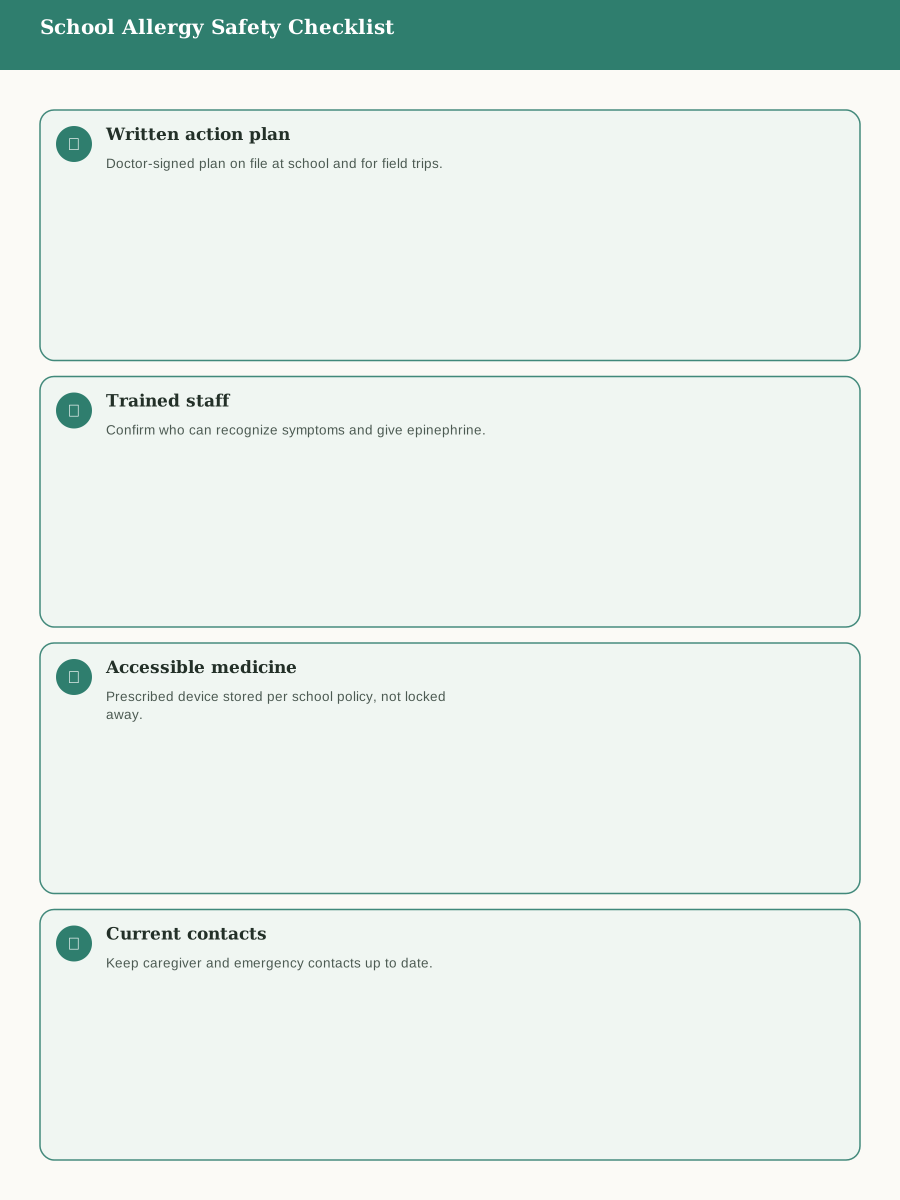
For children with allergies, especially food allergies, planning for time away from home is one of the most important things caregivers can do. ACAAI guidance emphasizes that parents should make sure a child's school has a written emergency action plan for preventing, recognizing, and managing allergic reactions, accessible both at school and during off-site activities like field trips and sports events.
Use this checklist as a starting point:
- Provide a written, doctor-signed allergy and/or anaphylaxis action plan
- Confirm where the epinephrine auto-injector (if prescribed) is stored and who is trained to use it
- Share known triggers with teachers, the school nurse, and cafeteria staff
- Review protocols for classroom parties, snacks, art supplies, and field trips
- Ask about classroom accommodations if relevant (for example, distance from a classroom pet)
- Update the plan and emergency contacts each school year or after any reaction
Caregiver Checklist for Everyday Life
Beyond formal school planning, everyday habits at home make a meaningful difference. Keeping a simple symptom and trigger log can help identify patterns and give a pediatrician useful information. It's also worth briefing anyone who cares for the child — grandparents, babysitters, coaches — with the same information given to the school.
It's also worth knowing that after any allergic reaction involving epinephrine, ACAAI notes a second wave of symptoms, called a biphasic reaction, can occur as long as 12 to 24 hours later — one reason emergency follow-up care matters even if a child seems to improve quickly.
- Keep a symptom and trigger diary to spot patterns over time
- Reduce known allergens at home (bedding washes, pet-free bedrooms, dust and mold control)
- Read food labels carefully and double-check ingredients when someone else prepares food
- Carry prescribed medication and a copy of the action plan when traveling or at activities
- Teach age-appropriate kids to recognize and speak up about their own symptoms
When to Escalate to a Pediatrician or Allergist
A pediatrician is generally the right first stop for new or ongoing allergy symptoms. Consider scheduling a visit when symptoms last more than a couple of weeks, recur every year, interfere with sleep or school, or don't improve with basic trigger reduction. A pediatrician can help sort out whether symptoms are allergies, a cold, or something else, and can refer to an allergist when appropriate.
Referral to a board-certified allergist is often useful for a suspected food allergy (especially with any history of a severe reaction), symptoms unresponsive to standard care, moderate-to-severe eczema, recurring wheeze that may point to allergic asthma, or when testing is being considered. Any child who has had a severe or anaphylactic reaction should be evaluated by an allergist and have a written action plan going forward.
When to seek care
Routine
Mild, predictable seasonal symptoms (occasional sneezing, mild congestion) that don't disrupt sleep or daily activities can be discussed at a regular pediatric checkup.
Prompt (within days)
Symptoms lasting more than two to three weeks, recurring every year, disrupting sleep or school, or not improving with basic trigger reduction warrant a non-urgent pediatrician visit within days.
Urgent (same day)
New or worsening hives, repeated vomiting after a suspected food exposure, or a progressing reaction (without breathing difficulty or swelling) should be evaluated the same day.
Emergency (call 911)
Any sign of difficulty breathing or swallowing, facial or throat swelling, widespread hives with vomiting or dizziness, or sudden weakness or fainting after a possible exposure requires calling 911 immediately — this can be anaphylaxis.
Practical next steps
Safe general steps
- Track symptoms, timing, and possible triggers in a simple log
- Reduce common environmental allergens at home (bedding covers, pet-free bedrooms, regular cleaning)
- Prepare or update a written school/daycare allergy plan each year
Actions that need medical guidance
- Starting or changing any allergy medication for a child
- Deciding whether allergy testing is appropriate and which type to pursue
- Introducing common allergenic foods to an infant with eczema or a known food allergy
- Building an anaphylaxis action plan and learning to use a prescribed epinephrine auto-injector
Don't attempt without professional advice
- Do not rely on at-home or supermarket allergy test kits in place of testing directed by a doctor or allergist
- Do not diagnose a suspected food allergy through trial-and-error elimination diets without medical guidance
- Do not wait to see if symptoms improve before calling 911 if a child shows any sign of anaphylaxis
Frequently asked questions
At what age can a child be tested for allergies?
Do allergies cause a fever in children?
Will my child outgrow their allergies?
How are allergy symptoms different in babies compared to older children?
Can seasonal allergies lead to asthma in children?
What should be in my child's school allergy plan?
Sources
- American College of Allergy, Asthma & Immunology (ACAAI) — Children and Allergies
- American College of Allergy, Asthma & Immunology (ACAAI) — Anaphylaxis
- American Academy of Allergy, Asthma & Immunology (AAAAI) — Allergy Testing
- Centers for Disease Control and Prevention (CDC/NCHS) — Diagnosed Allergic Conditions in Children Aged 0-17 Years
- National Institute of Allergy and Infectious Diseases (NIAID) — Food Allergy Guidelines FAQ
- MedlinePlus (National Library of Medicine) — Allergies
Medical disclaimer: This guide is for general education and isn't a substitute for personalized medical advice. It doesn't provide dosing. Always talk to a qualified healthcare professional about your symptoms and treatment.
Continue building your allergy plan
Explore related guides to understand the full picture, from triggers to treatment to safety.
Go to the treatment & relief guide